For years, my morning ritual looked the same: grind the beans, scoop them into a paper filter, pour in hot water, and wait for that first fragrant cup to brew. It was a comforting habit — dependable, easy, and clean. I never questioned it. But after one too many complaints about my coffee tasting “a bit flat,” I decided to experiment.
That’s when I stumbled upon a small but passionate corner of the coffee community singing the praises of reusable mesh filters. They claimed that switching from disposable paper filters could instantly improve flavor, reduce waste, and even make brewing more sustainable. It sounded too good to be true — could a simple change in filter really transform my daily cup?
Curious, I gave it a try. And to my surprise, it did more than just make my coffee taste better — it completely changed how I think about brewing.
Here’s what happened when I swapped paper filters for a reusable mesh, and why I’ll never go back.
Week 1: The Switch That Started It All
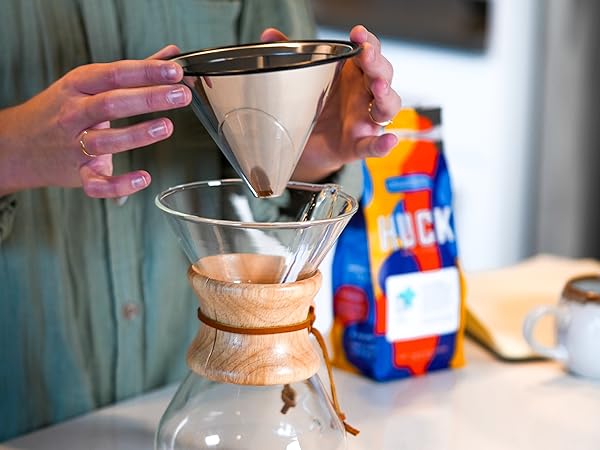
My first impression of the reusable mesh filter was pure practicality. It looked sleek and sturdy — made of fine stainless steel mesh designed to fit perfectly in my pour-over dripper. Unlike paper filters, which you throw away after each use, this one promised to last for years.
The first morning I used it, I noticed something immediately: the aroma was richer. As hot water hit the freshly ground beans, a deep, almost nutty fragrance filled the air — something I rarely noticed with paper filters.
When I took my first sip, the difference was clear. The coffee had a fuller body, more texture, and a slightly sweet undertone I’d never experienced before. It wasn’t bitter or watery — it was vibrant, balanced, and alive.
That’s when I understood the big secret behind this tiny change.
Why Mesh Filters Make Coffee Taste Better
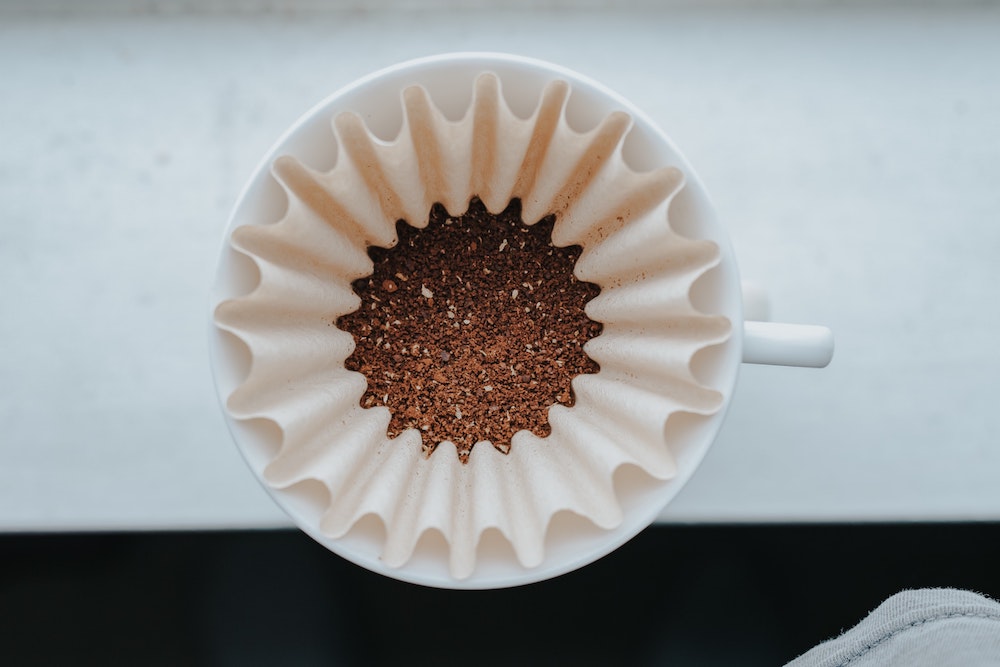
Paper filters do an excellent job at catching fine coffee grounds and oils — sometimes too good of a job. Those natural oils, called coffee oils or diterpenes, carry much of the coffee’s flavor and aroma. When paper absorbs them, the resulting cup tastes cleaner but also thinner, often missing the depth and richness that coffee lovers crave.
A reusable metal or nylon mesh filter, on the other hand, allows those oils to pass through. The result is a brew that’s more robust, aromatic, and closer to what baristas describe as the coffee’s “true character.”
It’s like the difference between listening to a live concert and a recording — both are enjoyable, but one has a depth that resonates differently.
The First Week: Adjusting the Grind and Taste
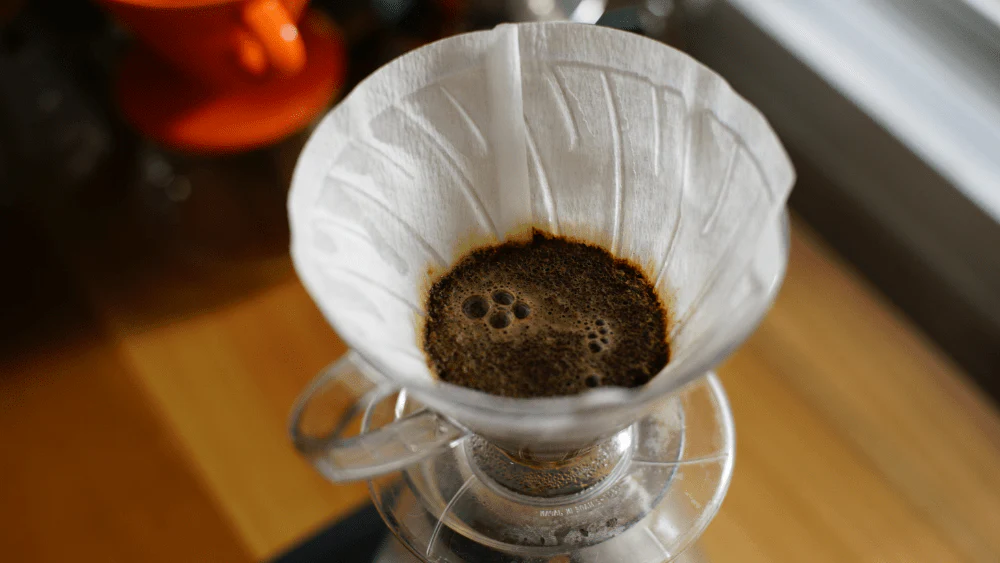
While the first few cups were delicious, I quickly learned that using a mesh filter requires small adjustments. Because it allows more oils and fine particles through, the grind size matters even more.
My first attempt with a medium grind made the coffee slightly cloudy — not unpleasant, but a bit gritty at the bottom of the cup. So I switched to a slightly coarser grind, which created a smoother brew without losing richness.
By day four, I had it dialed in perfectly. Each cup was bold but clean, with flavor notes that changed depending on the beans. With my Ethiopian blend, I could suddenly taste hints of blueberry and cocoa. My Colombian roast had a caramel-like sweetness I’d never noticed before.
The difference wasn’t subtle — it was dramatic.
Week 2: The Sustainability Bonus
Beyond flavor, I started noticing another benefit: I was creating far less waste.
Before, I went through roughly two paper filters every day — that’s over 700 filters a year for one person. Multiply that by millions of daily coffee drinkers, and you can see how much paper ends up discarded (and often bleached during manufacturing).
Now, with the reusable mesh, I didn’t throw away anything except the used coffee grounds — which I began composting. Cleaning the filter was easy: I simply rinsed it under warm water, gave it a quick scrub, and let it dry.
It only took a minute, and I felt good knowing I wasn’t contributing to the pile of paper waste anymore.
Even better, the environmental impact wasn’t just about reducing paper. Reusable filters eliminate the need for production, packaging, and transportation of single-use filters — all small steps that add up over time.
Week 3: Rediscovering My Morning Ritual
By the third week, using my reusable mesh filter had become second nature. But what surprised me most was how it subtly changed my relationship with coffee.
Brewing no longer felt like a chore — it felt intentional.
There’s something satisfying about handling a well-made, permanent tool rather than a disposable one. I found myself slowing down, focusing on the pour, and appreciating the aroma as the coffee bloomed. It turned my mornings from routine into ritual.
And because I wasn’t racing through filters or running out unexpectedly, there was a sense of calm consistency. It reminded me that sustainability isn’t just about the planet — it’s about creating balance and mindfulness in our everyday habits.
Week 4: The Long-Term Flavor Difference
By the fourth week, I could clearly tell the difference in my palate and brewing technique. My coffee had a silky, full-bodied texture, with subtle oils that added depth. Even my guests noticed it.
A friend who always drank black coffee remarked, “This tastes like café coffee — did you change your beans?”
No, I didn’t. I just stopped filtering out the best parts of them.
Interestingly, I also noticed that my coffee consumption decreased slightly. Because each cup was more flavorful and satisfying, I didn’t feel the need for refills as often. That’s another small win — better quality over quantity.
The Science Behind the Flavor Boost
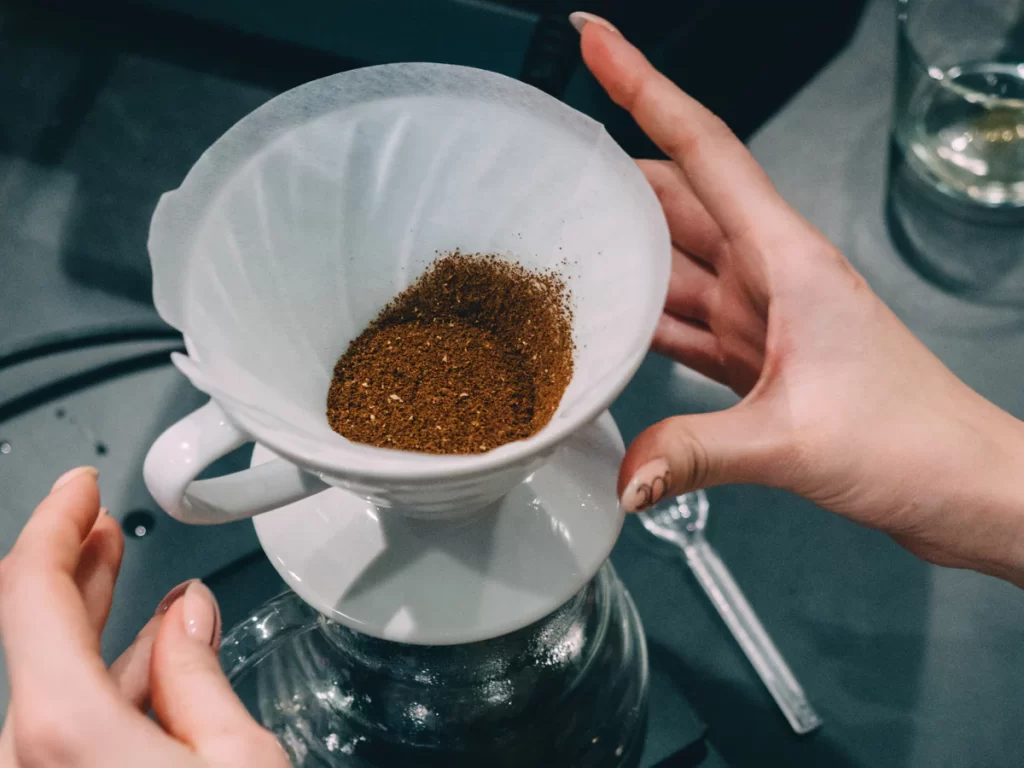
Here’s a closer look at why this simple switch can make such a difference:
- Coffee Oils: Mesh filters allow natural oils to pass through. These oils carry much of the coffee’s aroma and complexity. Paper filters absorb them, leading to a cleaner but flatter taste.
- Fines (tiny coffee particles): The mesh lets a few fines pass through, which adds a slight texture and roundness to the flavor.
- Heat retention: Metal mesh holds heat better than paper, maintaining a more stable temperature during brewing — crucial for extraction.
- Environmental balance: Reusable filters eliminate the need for constant production of paper filters, saving trees, water, and energy in the long run.
In short, mesh filters give you a truer expression of your coffee beans — more body, more aroma, and more soul.
Cleaning and Maintenance: Easier Than Expected
One of my initial concerns was cleaning. Paper filters are convenient because you just toss them away. Would a reusable one be messy or time-consuming?
The answer: not really. After brewing, I simply tapped the used grounds into my compost bin, rinsed the filter under hot water, and brushed away any residue. Every few days, I gave it a deeper clean by soaking it in a mixture of warm water and vinegar to dissolve oils.
It took no more time than cleaning a mug or French press. Plus, the filter dried quickly and was ready for the next morning.
If anything, it made me more conscious of my brewing process — a small act of care that paid off in better coffee.
Cost Comparison: A Win for the Wallet Too
At first glance, reusable filters can seem pricey — mine cost about $15. But considering a box of paper filters runs around $5 for 100, the savings add up quickly.
In less than four months, the reusable filter pays for itself. After that, it’s pure savings — both financially and environmentally. And since high-quality mesh filters can last for years (some even a decade), it’s one of the most cost-effective upgrades you can make to your coffee routine.
A Small Change with a Big Impact
By the end of my month-long experiment, I had a new perspective on what “good coffee” really means.
Flavor-wise, the improvement was undeniable — richer, smoother, and more aromatic. But the real value went beyond taste. I became more mindful of waste, more connected to the process, and more appreciative of the coffee itself.
This one small switch — replacing disposable paper filters with a reusable mesh — managed to improve not just my brew, but my entire morning experience.
Tips for Trying It Yourself
If you’re curious about making the switch, here are a few lessons I learned along the way:
- Choose the right size and type. Make sure your mesh filter fits your dripper or coffee maker perfectly. Stainless steel or gold-tone mesh are great options.
- Adjust your grind. Go slightly coarser than you’d use for paper filters to avoid fine sediment.
- Rinse before use. Rinsing the filter with hot water preheats it and removes any lingering metallic taste.
- Clean it regularly. A quick rinse after each use and an occasional deep clean keep it performing well.
- Experiment with beans. Because mesh filters highlight oils and complexity, try different roasts to explore flavor notes.
Final Thoughts
When I first heard about reusable coffee filters, I thought they were just a sustainability trend. But now I realize they represent something deeper — a return to simplicity and authenticity.
By letting the coffee’s natural oils and aromas shine through, a mesh filter brings out what makes each bean unique. It’s a small, almost invisible change that elevates the entire experience.
So if your morning brew feels flat or flavorless, skip the fancy gadgets and try this instead. Replace that paper filter with a reusable mesh — and you might just rediscover what real coffee is supposed to taste like.