For months, I had been fighting a losing battle with the stubborn white buildup inside my kettle. Every time I poured myself a cup of tea, I couldn’t help but notice the chalky residue clinging to the bottom and sides. No matter how often I scrubbed, it always came back.
Like many people, I live in a hard water area — meaning my tap water contains a higher concentration of minerals such as calcium and magnesium. While harmless to drink, these minerals are notorious for leaving behind limescale, that crusty, white deposit that slowly coats your appliances, taps, and showerheads.
I’d tried vinegar soaks, store-bought descaling powders, and even a toothbrush scrub, but nothing seemed to keep the kettle sparkling for long. Then, quite by accident, I stumbled upon a simple, natural solution that changed everything: using a lemon peel.
It sounded too easy to be true, but I figured it was worth a try. I tossed a few lemon peels into my kettle, added some water, and let it boil. What happened next amazed me — within minutes, the limescale had loosened and practically wiped itself away. My kettle looked brand new again, and it smelled fresh, too.
That tiny experiment led me to learn more about how and why it worked, and now I’ll never go back to harsh chemical cleaners again. Here’s how this little kitchen hack became my go-to for tackling limescale naturally.
Understanding the Problem: What Is Limescale and Why It Forms
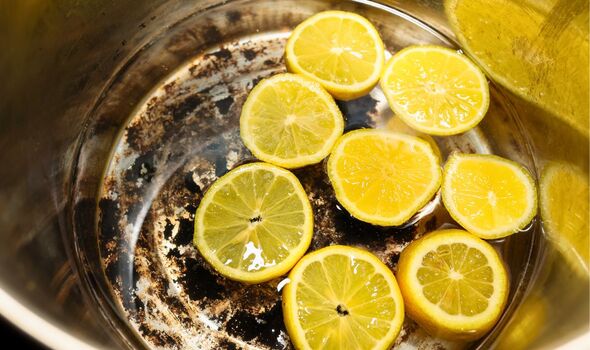
Limescale is the chalky, white or off-white coating that forms when hard water evaporates and leaves behind calcium carbonate deposits.
When water is heated — as it is in kettles, coffee makers, and boilers — those minerals separate from the water and stick to the surfaces inside. Over time, the buildup gets thicker and harder to remove.
The results aren’t just cosmetic. Limescale can:
- Affect the taste of your tea or coffee
- Make your kettle less efficient, forcing it to use more energy to boil water
- Shorten the lifespan of your appliance
For many people, descaling solutions are the go-to remedy, but they often contain strong acids and synthetic chemicals. While they’re effective, I’ve always disliked the idea of using them in something that comes into contact with drinking water.
That’s why the lemon peel trick felt like such a win — it’s safe, natural, and surprisingly powerful.
The Experiment: Lemon Peel to the Rescue
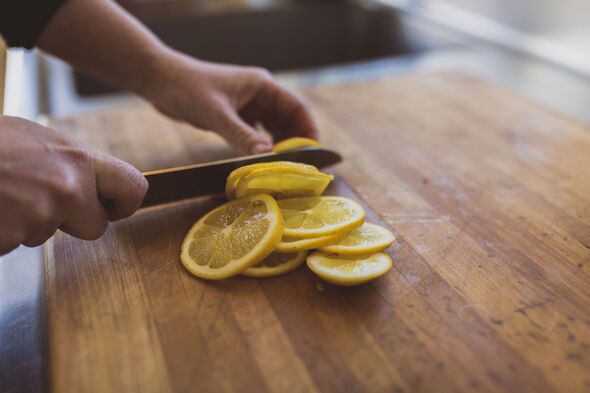
It all started one lazy Sunday morning when I was making lemon tea. As I squeezed out the juice, I looked at the leftover peels and thought, “I wonder if I can use these for cleaning?”
I’d read before that lemon juice could help remove limescale, but I’d never actually tried it. Instead of juicing another lemon, I decided to see if the peel alone could do the trick.
Here’s exactly what I did:
- Filled the kettle halfway with water.
- Added a handful of fresh lemon peels — about half a lemon’s worth.
- Brought the water to a boil.
- Let it sit for about 30 minutes after boiling.
When I came back, I couldn’t believe the difference. The inside of the kettle looked visibly cleaner — no more chalky patches at the bottom. I poured out the water and gave the interior a quick wipe with a soft cloth. The remaining residue came off effortlessly, revealing a shiny metal surface underneath.
It was like watching years of buildup melt away, all thanks to a fruit peel I would have otherwise thrown out.
Why Lemon Works So Well
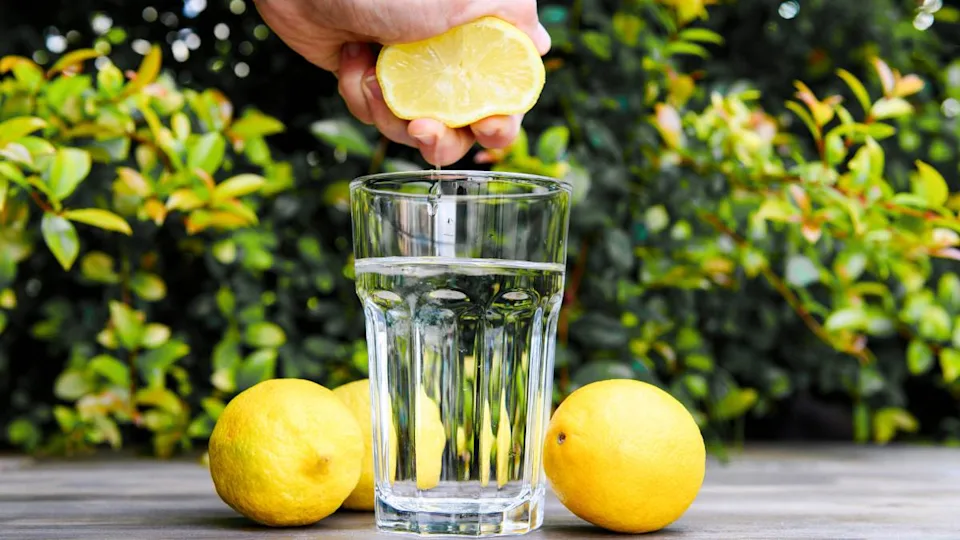
The secret behind this trick lies in the natural citric acid found in lemons.
Citric acid is a mild, organic acid that naturally breaks down calcium carbonate — the main component of limescale. Unlike harsh chemical cleaners, it’s safe, biodegradable, and completely food-grade, meaning you can use it in appliances like kettles or coffee makers without worry.
Here’s how it works on a chemical level:
- The citric acid in the lemon reacts with the calcium carbonate deposits, dissolving them into soluble salts and carbon dioxide gas.
- The bubbling and fizzing (if you watch closely) help lift and loosen the buildup from the surface.
- Once loosened, the deposits can be easily wiped or rinsed away.
What’s remarkable is that lemon peel — not just the juice — contains a good amount of citric acid along with essential oils that add a natural shine and fresh scent. The combination of acid and oil works both as a cleaner and deodorizer, leaving your kettle spotless and smelling wonderful.
Step-by-Step Guide: How to Clean Your Kettle with Lemon Peels

If you want to try this for yourself, here’s a simple guide that I now follow every month to keep my kettle looking and performing like new.
You’ll need:
- 1 fresh lemon (or just the peels if you’ve used the juice for cooking or drinks)
- Water
- A soft sponge or cloth
Instructions:
- Prepare the lemon peels.
Cut the peel into small pieces or thin strips. You can use fresh lemon or peels that were used for juicing — just make sure they’re not dried out. - Fill the kettle halfway with water.
This ensures the peels are fully submerged and the boiling action can reach the entire surface area of the kettle. - Add the lemon peels.
Drop them into the kettle, making sure a few pieces float around freely. - Boil the water.
Turn on the kettle and let it come to a full boil. You might notice a faint lemony aroma right away — that’s a good sign. - Let it sit.
Once boiled, turn off the kettle and let the hot lemon water sit inside for 20–30 minutes. During this time, the citric acid will work its magic, breaking down the limescale deposits. - Pour and rinse.
After soaking, pour out the water and discard the peels. You’ll likely see bits of loosened limescale floating in the water. - Wipe clean.
Use a soft sponge or cloth to gently scrub the inside. Any remaining residue should come off easily. - Boil clean water (optional).
To remove any lingering lemon scent, boil a full kettle of plain water afterward and discard it.
That’s it — no chemicals, no effort, no harsh scrubbing. Just a bit of lemon and patience.
The Results: A Sparkling, Fresh Kettle
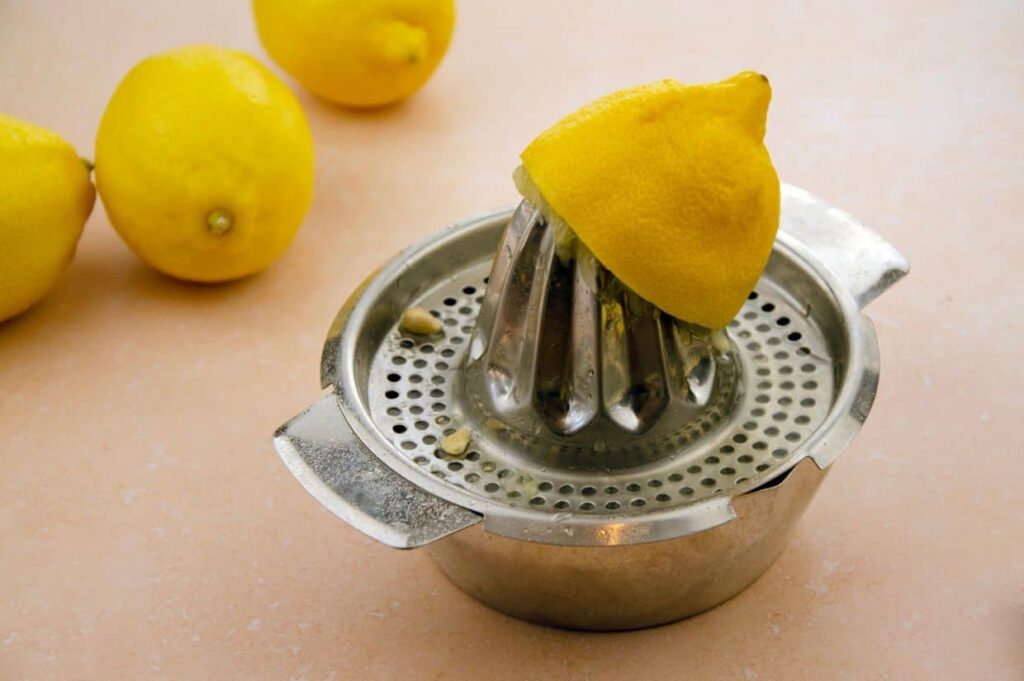
After that first try, my kettle looked almost brand new. The stainless steel interior gleamed, the heating element was visible again, and there was no chalky residue on the base.
Even better, the faint lemon aroma lingered just enough to make my next few cups of tea smell subtly fresh — a bonus I didn’t expect.
Since then, I’ve made this a monthly ritual. Not only does it keep my kettle spotless, but it also prevents new limescale from forming, making the cleaning process even easier over time.
Other Benefits of Using Lemon in Cleaning
Once I saw how effective lemon was in my kettle, I started using it elsewhere around the house. Turns out, lemon peels are one of nature’s best multi-purpose cleaners. Here are a few of my favorite uses:
- Microwave Cleaner:
Place a few lemon slices in a bowl of water, microwave for 3–5 minutes, and then wipe down the interior. Steam loosens grime while the lemon cuts through odors. - Faucet Polish:
Rub a used lemon peel directly on taps and handles to dissolve mineral stains and make them shine. - Cutting Board Sanitizer:
Sprinkle coarse salt on a cutting board, then rub it with a lemon half. It removes stains, odors, and bacteria naturally. - Garbage Disposal Freshener:
Toss lemon peels into the garbage disposal and run it with water for a few seconds. It cleans blades and eliminates bad smells instantly. - Bathroom Descaler:
Mix lemon juice with baking soda to make a paste. Apply to showerheads or tiles, leave for 10 minutes, then rinse — perfect for dissolving soap scum and limescale.
Who knew something as simple as a lemon peel could replace so many store-bought cleaners?
Why This Method Feels So Rewarding
Beyond the visible results, there’s something deeply satisfying about using natural ingredients to clean. It feels like returning to simpler, more sustainable practices — the kind our grandparents used long before “eco-friendly” became a buzzword.
With the lemon peel method:
- I’m reducing waste (using something that would normally be discarded).
- I’m avoiding chemicals that can irritate skin or release fumes.
- I’m saving money by cutting down on descaling products.
- And I’m keeping my appliances healthier for longer.
It’s a small act, but it’s one that makes everyday chores feel more intentional — and more in harmony with nature.
Tips and Variations
- For heavier buildup: Add a tablespoon of vinegar along with the lemon peels for extra strength. The combination of acetic acid (from vinegar) and citric acid (from lemon) makes an unbeatable natural descaler.
- For electric kettles: Be sure to unplug before wiping, and never immerse the kettle in water.
- For long-term maintenance: Repeat the process once every 3–4 weeks, especially in areas with hard water.
If you don’t have fresh lemons, bottled lemon juice or even citric acid powder (a few teaspoons) can work in a pinch.
Final Thoughts: Nature Knows Best
After years of battling limescale with expensive descaling powders and endless scrubbing, I can honestly say that nothing beats the simple power of a lemon peel.
It’s effective, non-toxic, fragrant, and completely free — especially if you’re already using lemons in your cooking or tea.
Now, every time I use my kettle, I smile knowing it’s not just clean but naturally maintained. No harsh chemicals, no residue, no waste — just the gentle cleaning power of one of nature’s most remarkable fruits.
So, the next time your kettle looks a little dull or chalky, don’t reach for the store-bought descaler. Grab a lemon, save the peel, and let nature do the work.