When I first heard that composting could transform a garden, I thought it sounded too good to be true. How could tossing kitchen scraps into a bin make such a huge difference? To me, composting always seemed like something only serious gardeners or people with a lot of land did. But after I gave it a try, I realized just how powerful — and surprisingly simple — it can be.
A few months ago, I started composting my everyday kitchen waste. I didn’t invest in fancy equipment or complex systems. I just began saving food scraps, coffee grounds, and vegetable peels in a small container. The results were astonishing. Within weeks of using that compost in my soil, my garden literally exploded with growth — thicker foliage, brighter flowers, and vegetables that seemed to double in size overnight.
Here’s what I learned about composting, how I did it, and why it’s one of the most rewarding habits I’ve ever started.
Why Composting Works Like Magic for Plants

Composting is nature’s recycling system. When organic matter — like food scraps, leaves, and yard waste — breaks down, it turns into a nutrient-rich substance called humus. This dark, crumbly material is full of life: beneficial bacteria, fungi, and microbes that nourish the soil.
Instead of relying on chemical fertilizers, compost provides plants with slow-release nutrients and improves soil structure. It helps the earth hold moisture, prevents erosion, balances pH levels, and encourages strong root development.
In short, compost doesn’t just feed plants — it creates the perfect environment for them to thrive.
How I Got Started with Kitchen Composting
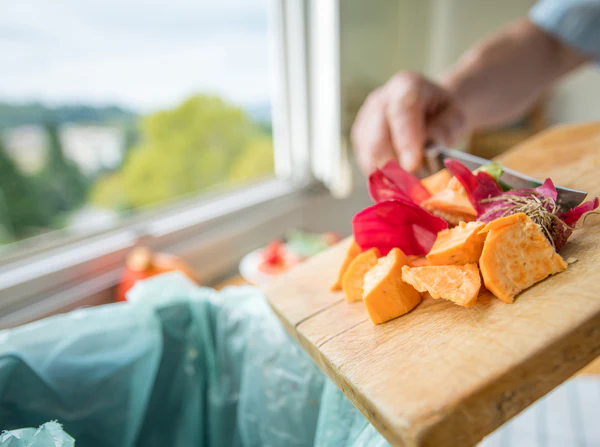
At first, I wasn’t sure where to begin. I live in a small home with a modest backyard, so I didn’t have space for a huge compost pile. After some research, I learned that you don’t need much room — just the right mix of ingredients and a little patience.
Here’s what I did:
- Set up a simple compost bin.
I used a medium-sized plastic bin with holes drilled in the sides for airflow. You can also use a store-bought compost tumbler, but a basic DIY version works perfectly fine. - Collected kitchen scraps.
Every day, I added food scraps like:- Fruit and vegetable peels
- Coffee grounds and filters
- Crushed eggshells
- Tea bags (without plastic)
- Stale bread or grains
- Wilted lettuce, spinach, and herbs
- Balanced “greens” and “browns.”
Composting needs two main types of ingredients:- Greens (nitrogen-rich): kitchen scraps, coffee grounds, fresh grass clippings
- Browns (carbon-rich): dry leaves, shredded paper, cardboard, sawdust
- Turned it regularly.
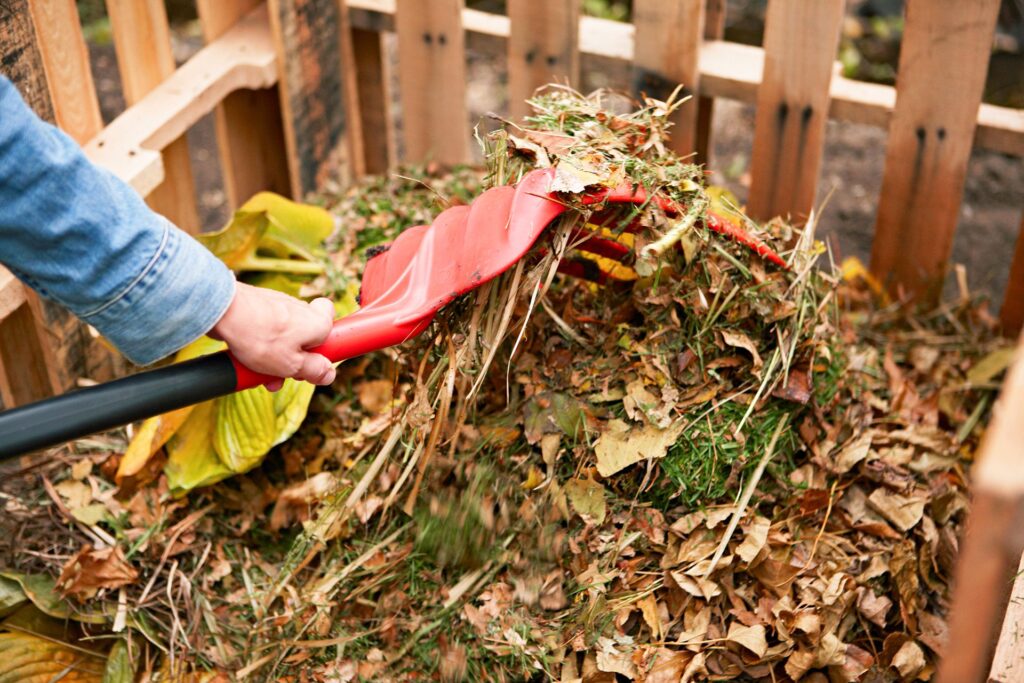
About once a week, I used a garden fork to mix everything. This introduces oxygen, which speeds up decomposition and keeps the pile healthy. - Kept it moist (but not wet).
The compost should feel like a damp sponge. If it got too dry, I added a splash of water; if too wet, I mixed in more dry leaves or paper.
The Transformation: From Scraps to Soil Gold
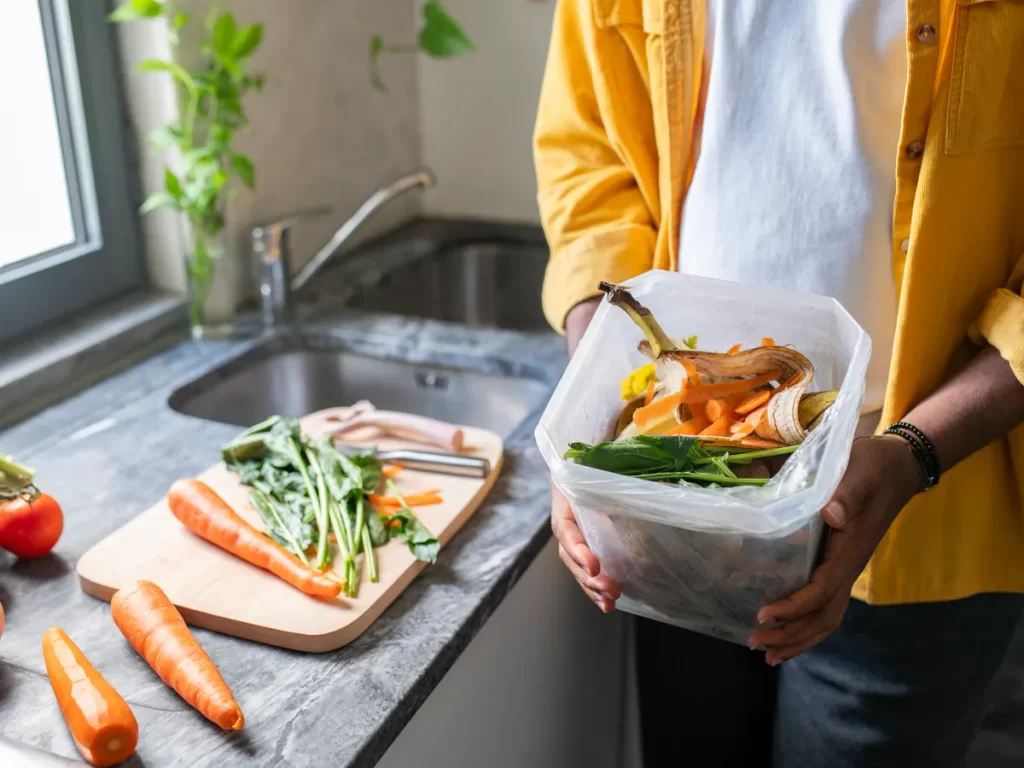
The first few weeks were slow — I wondered if anything was happening at all. But soon, I began to notice steam rising from the bin on cool mornings. That’s a good sign! It meant the microbes were hard at work breaking down the organic matter.
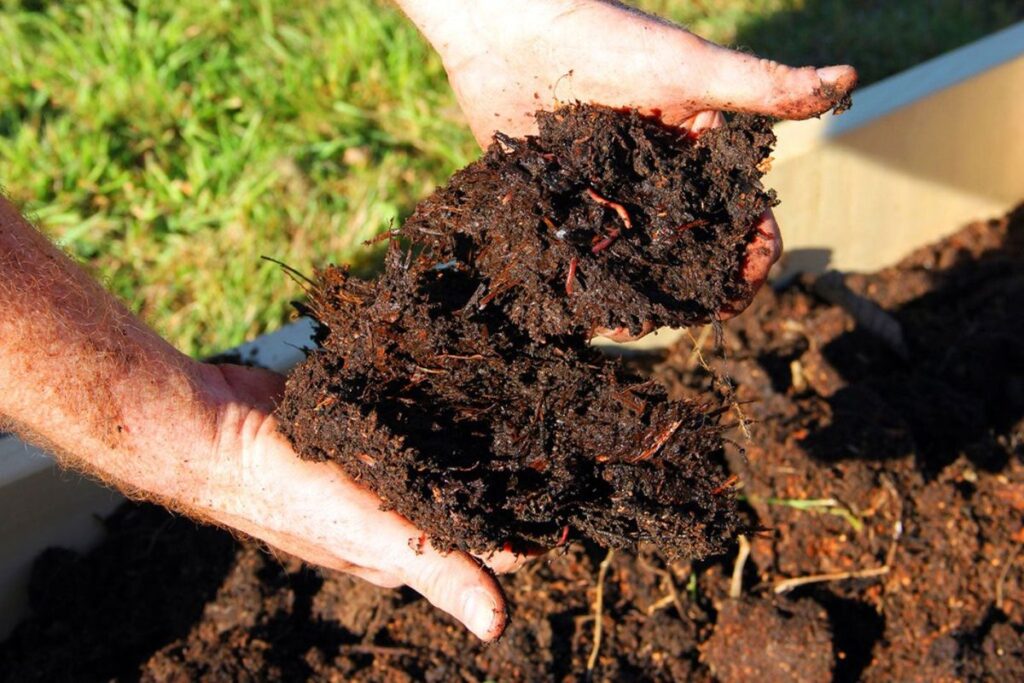
After about two months, the contents started to look and smell like fresh, earthy soil. The transformation was incredible — what began as banana peels, coffee grounds, and wilted lettuce had turned into dark, rich compost.
That’s when I added it to my garden beds, mixing a few inches of compost into the top layer of soil around my plants.
Within just a couple of weeks, I could see the difference.
My Garden’s Growth Took Off
Before composting, my plants were doing fine, but they weren’t spectacular. Some leaves were pale, and my tomatoes and peppers seemed slow to develop. After adding compost, the change was almost overnight.
- My tomato plants shot up, producing more fruit than ever before.
- Lettuce and herbs grew lush and vibrant, with deeper color and stronger flavor.
- Flowers bloomed longer and brighter, especially my marigolds and zinnias.
- Even my soil stayed moist longer, reducing how often I had to water.
The compost didn’t just feed the plants — it revived the entire ecosystem of my garden. Earthworms multiplied, pollinators flocked, and my garden started to feel alive.
It was deeply satisfying to realize that the “waste” from my kitchen was now fueling all this growth and beauty outside.
The Hidden Benefits of Composting
Beyond the obvious boost to my garden, composting had several other benefits I didn’t expect:
- I reduced household waste drastically.
About 30–40% of what we throw away is organic material that can be composted. My trash bin filled up slower, and I felt good knowing less waste was going to landfills. - No more foul odors.
I used to worry that composting would stink, but it doesn’t when done right. A proper mix of browns and greens keeps everything balanced and earthy-smelling. - It saved me money.
I no longer needed to buy expensive fertilizers or soil conditioners. The compost did a better job — for free. - It’s eco-friendly.
When organic waste ends up in landfills, it breaks down without oxygen and releases methane — a potent greenhouse gas. Composting at home prevents that and returns nutrients back to the earth. - It connected me to my food cycle.
There’s something grounding about watching food scraps return to soil and then grow new food again. It’s a full-circle process that makes you appreciate nature’s balance.
Common Composting Mistakes I Learned to Avoid
Like any new habit, I made a few mistakes early on. Luckily, they’re easy to fix:
- Too many “greens”: At first, I added too many food scraps and not enough browns, which made the pile soggy. Adding shredded cardboard and leaves solved it quickly.
- Forgetting to turn the pile: Without air circulation, compost can get smelly or slow down. Turning it once a week made a big difference.
- Adding the wrong items: I learned not to compost meat, dairy, or oily foods — they attract pests and don’t break down well.
- Ignoring moisture: Too dry and nothing happens; too wet and it goes anaerobic. Keeping that damp sponge texture is key.
Once I got the hang of it, maintaining my compost became second nature.
How to Use Finished Compost in the Garden
When the compost looks like rich, dark soil and smells earthy, it’s ready to use. Here are a few of my favorite ways to put it to work:
- Mix into garden beds: Before planting, I dig a few inches of compost into the topsoil to enrich it.
- Use as mulch: Spread a thin layer around existing plants to retain moisture and keep weeds down.
- Make compost tea: Steep compost in water for a few days, strain, and use the nutrient-rich liquid to water plants.
- Top-dress lawns: Sprinkle compost over grass for a natural boost without harsh chemicals.
No matter how I used it, the results were always the same — healthier plants, greener leaves, and faster growth.
Composting: A Small Step with Big Impact
Starting a compost bin might seem insignificant, but the impact is huge — both personally and environmentally.
In my own backyard, I’ve seen how composting turns waste into abundance. The energy that would have been lost in a landfill is instead feeding my garden, improving the soil, and supporting life. It’s a perfect example of how small, mindful actions can create a ripple effect of positive change.
Even better, composting has made me more conscious of what I consume and waste. I plan meals more carefully, appreciate food more deeply, and feel more connected to the earth beneath my feet.
Final Thoughts: Nature’s Secret Ingredient
If your garden feels dull or your plants just won’t thrive, look no further than your kitchen scraps. Composting is the simplest, most natural way to supercharge growth — no chemicals, no fancy tools, just the power of nature doing what it’s always done.
Now, every time I peel a carrot or brew a pot of coffee, I smile knowing that those scraps will soon become food for my plants. It’s a cycle of renewal that feels deeply satisfying and endlessly rewarding.
Since I started composting, my garden has truly come alive — greener, healthier, and more vibrant than ever. What once went into the trash is now the secret behind my garden’s incredible growth. And the best part? Anyone can do it.