If you’ve ever tossed loose change into a drawer, jar, or glove compartment without thinking twice, you might be overlooking a small fortune hiding in plain sight. Lincoln cents — the everyday pennies most people ignore — include some of the most valuable coins ever created by the U.S. Mint. The surprising truth is that many of these valuable rarities look almost identical to common pennies. They circulate unnoticed, sit in change jars for decades, or get passed down through families without anyone realizing their true worth.
Some Lincoln cents can sell for hundreds, thousands, or even hundreds of thousands of dollars today. And yes — people really have found these hidden treasures in pocket change.
This comprehensive guide explains why certain Lincoln cents are so valuable, the specific years and varieties you need to look for, and step-by-step instructions on how to check your own pennies like a professional collector.
Why Some Lincoln Cents Are Worth a Fortune

Lincoln cents have been produced since 1909, and over the past century the U.S. Mint has made countless design changes, metal changes, and — most importantly — mistakes. Many of these mistakes weren’t caught at the time and ended up in everyday circulation.
Collectors highly prize these rare varieties for several reasons:
1. Minting Errors and Varieties
Coins with doubled dies, missing mintmarks, wrong metals, or misaligned dies can be extremely rare. The scarcer the error, the higher the value.
2. Low-Mintage Years
Some years, especially during economic hardships, saw very few pennies struck. Those years now contain collector “key dates” worth a lot of money.
3. Historical Significance
Coins from major national events — like World War II — often contain unusual metal compositions, including steel or shell-casing alloys, adding to their rarity.
4. High Demand From Collectors
Lincoln cent collectors often try to complete entire series from 1909 to present. The rarest dates can command incredible prices because thousands of collectors all need the same coin.
The Most Valuable Lincoln Cents Hiding in Everyday Change

Below are the top rare pennies most commonly mistaken for ordinary coins — along with what they’re worth and how to identify them.
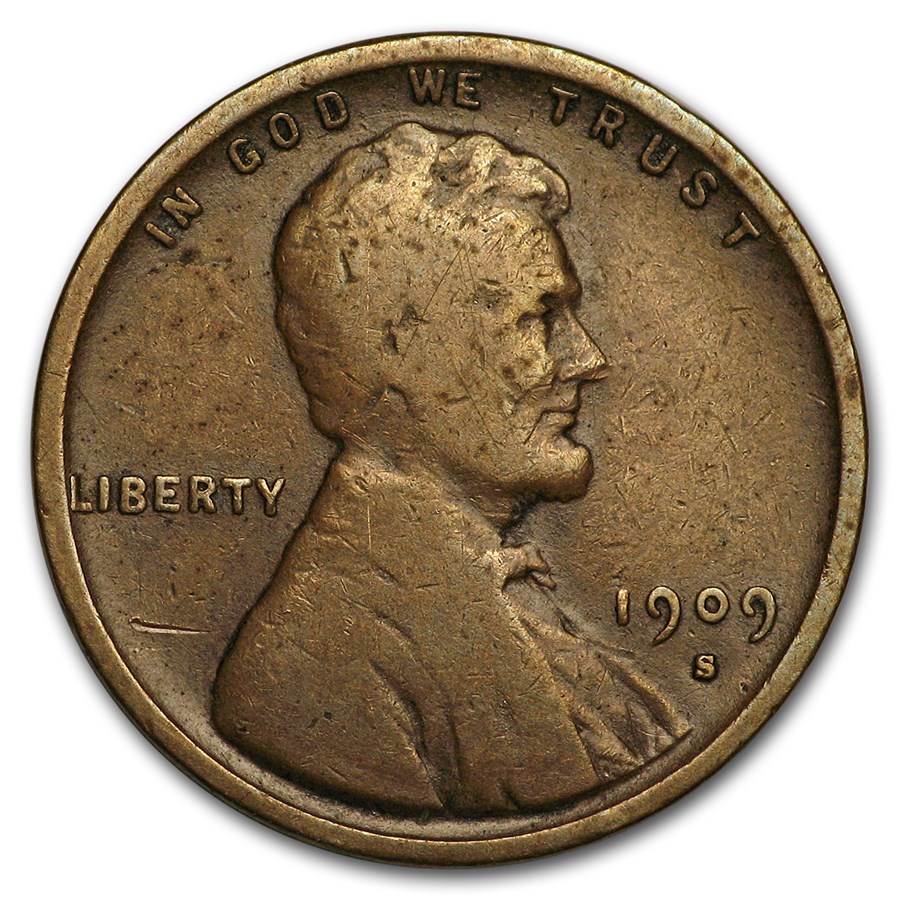
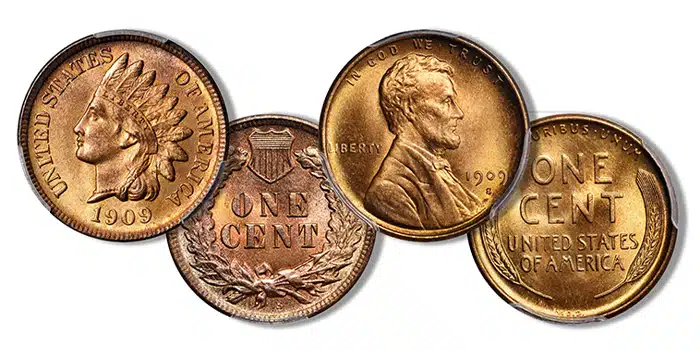
1. The 1909-S VDB — Worth $1,000 to $15,000
This is the holy grail for many collectors.
Why it’s rare:
The designer’s initials V.D.B. originally appeared boldly on the reverse of the 1909 Lincoln cent. Some government officials felt they were too large, so the Mint removed them shortly after production began. Only pennies from San Francisco (S mintmark) with the VDB initials were produced in small quantities.
What to look for:
- 1909-S on the front
- V.D.B. at the bottom reverse
Value:
Anywhere from $1,000 for very worn examples to $15,000+ for higher grades.
2. The 1914-D — Worth $300 to Over $20,000
Another rare mintage from the early years.
Why it’s rare:
Very few Denver-minted cents were produced in 1914. Most were heavily circulated.
What to look for:
- 1914 date
- A small D below the date
- Strong, original details (counterfeits often have altered mintmarks)
Value:
- Worn examples: $300–$1,000
- High grades: $10,000–$20,000+
3. The 1922 No D — Worth $700 to $30,000+
One of the most famous error pennies ever discovered.
Why it’s rare:
In 1922, only the Denver Mint struck pennies. But a damaged die produced cents with no visible D mintmark, creating a variety that shouldn’t exist.
What to look for:
- No mintmark under the date
- Weak obverse details
- Strongly struck reverse
Value:
- Circulated: $700–$3,000
- High grade: $15,000–$30,000+
4. The 1943 Bronze Penny — Worth $80,000 to Over $250,000
This is perhaps the most valuable Lincoln cent mistake ever made.
Why it’s rare:
Pennies in 1943 were supposed to be steel for war conservation. A few bronze planchets from 1942 were left in the mint presses and accidentally struck with the 1943 design.
What to look for:
- 1943 date
- A non-magnetic, brown coin (NOT steel)
- Weight around 3.1 grams
Value:
Up to $250,000 or more.
5. The 1944 Steel Penny — Worth $50,000 to Over $100,000

A wartime rarity created for the opposite reason of the 1943 bronze.
Why it’s rare:
1944 cents were supposed to return to bronze. But leftover 1943 steel blanks were accidentally struck with 1944 dies.
What to look for:
- 1944 date
- A magnetic, steel-colored coin
- Weight around 2.7 grams
Value:
$50,000–$175,000, depending on mint and condition.
6. The 1955 Doubled Die — Worth $1,000 to $200,000
This is the coin that created a nationwide frenzy in the 1950s.
Why it’s rare:
A major doubling error occurred when the obverse die was misaligned. The doubled date and lettering are bold and unmistakable.
What to look for:
- Strong doubling on:
- 1955
- LIBERTY
- IN GOD WE TRUST
Value:
Up to $200,000 for high-grade examples.
7. The 1969-S Doubled Die — Worth $40,000 to $120,000
One of the boldest doubled dies of the 20th century.
What to look for:
- Major doubling on the entire obverse
- Clear doubling of LIBERTY and the motto
- Authentic mintmark (fakes often show altered S marks)
Value:
Up to $120,000.
8. The 1972 Doubled Die — Worth $100 to $15,000
This year has one of the clearest doubled dies for modern cents.
What to look for:
- Strong doubling on LIBERTY and the motto
- No doubling on the mintmark (added later)
Value:
High-grade versions can exceed $10,000.
9. The 1983 Doubled Die — Worth $100 to $4,000
A metal-change year (from bronze to copper-plated zinc) created new opportunities for errors.
What to look for:
- Doubling on the reverse, especially “ONE CENT”
- Sharp separation of letters
Value:
Up to $4,000.
10. The 1992 Close AM and 1992-D Close AM — Worth $5,000 to $25,000
A tiny design difference caused this valuable variety.
What to look for:
- The A and M in “AMERICA” almost touching
- Bottom of letters aligned equally
Value:
Up to $25,000.
How to Check Your Pennies (Step-by-Step Guide)
You don’t need special equipment to find rare pennies — just patience and attention to detail. Here’s how to search efficiently:
Step 1: Separate Pennies by Decade
Put all your pennies into groups:
- 1909–1958 (Wheat cents)
- 1959–1981 (Mostly copper)
- 1982–present (Mostly zinc)
Wheat cents are the most likely to contain high-value rarities.
Step 2: Inspect the Date
Use a simple magnifying glass. Look for:
- Key dates (1909-S VDB, 1914-D, 1922)
- All coins from 1943 and 1944
- Any penny from the 1950s with odd doubling
- Cents from the 1960s and 1970s showing unusual lettering
Step 3: Check the Mintmark
Mintmarks matter tremendously.
S, D, or no mintmark — each tells a different story.
Step 4: Look for Errors and Doubling
Hold the coin under a light and tilt it. True doubled dies show:
- Crisp, clear doubling
- Strong separation
- Bold outlines
Mechanical doubling (worth nothing) looks flat or shelf-like.
Step 5: Use a Magnet for 1943 and 1944 Pennies
A simple magnet can instantly detect:
- 1943 bronze (rare)
- 1944 steel (rare)
Step 6: Weigh Suspicious Coins
Use a digital scale:
- 3.1 grams = bronze
- 2.7 grams = steel
- 2.5 grams = copper-plated zinc
This helps eliminate fakes.
Step 7: Compare to Verified Examples
Use certified images from PCGS or NGC to confirm details.
Step 8: Get Professional Authentication
If you believe you’ve found something rare, send it to:
- PCGS
- NGC
Verification massively increases value.
Final Thoughts
Lincoln cents are among the most widely collected coins in American history — and for good reason. They’re rich with errors, varieties, and hidden surprises that continue to thrill collectors. The idea that an ordinary penny from pocket change could be worth thousands — or even hundreds of thousands — keeps the hunt exciting.
Before you dismiss that old coin jar, take a few minutes to check your pennies. You might just uncover a rare treasure that generations before you overlooked. Your next valuable find may be hiding in plain sight, just waiting to be rediscovered.