Every so often, a rare coin emerges from history that captures the imaginations of collectors and treasure hunters alike. Among the most astonishing U.S. coin discoveries is the 1944 Steel Lincoln Cent — a coin so unusual, so unexpected, and so scarce that a single authentic specimen can sell for $75,000 to over $100,000, depending on condition. Some examples have even exceeded this range at major auctions.
But why is this penny so rare? How did it come to exist? And how can you tell whether you’ve found one?
This article dives deep into the story behind the 1944 steel cent, its market value, and how collectors can identify this six-figure treasure.
The War-Time Coinage Twist: How This Penny Was Born

To understand the 1944 steel penny, you must go back to the peak years of World War II. During the early 1940s, copper was desperately needed for ammunition and military equipment. Brass — made partly from copper — was essential for shell casings used in the front lines.
The 1943 Steel Cent Comes First
To conserve copper, the U.S. Mint produced the famous 1943 steel penny, made from zinc-coated steel instead of the usual bronze alloy. These 1943 steel cents were mass-produced and are not rare, though they’re extremely popular with collectors.
By 1944, however, the war needs shifted slightly. Spent ammunition shell casings were melted down and recycled into coinage. That meant the Mint returned to using a bronze alloy — a mixture of copper and tin — to strike cents.
So all 1944 pennies were supposed to be bronze. None were intentionally made from steel.
But something unexpected happened…
The Accidental 1944 Steel Penny

The rare 1944 steel pennies were produced by accident. Several leftover steel planchets from 1943 somehow remained in minting hoppers or machinery and were struck with the new 1944 dies.
This resulted in a tiny handful of 1944 pennies being made of steel instead of bronze.
These extremely scarce coins are known today as:
- 1944 Steel Lincoln Cent (Philadelphia)
- 1944-D Steel Lincoln Cent (Denver)
- 1944-S Steel Lincoln Cent (San Francisco)
All three are rare, but the 1944-S is the rarest and most valuable of the trio.
Why the 1944 Steel Penny Is Worth So Much
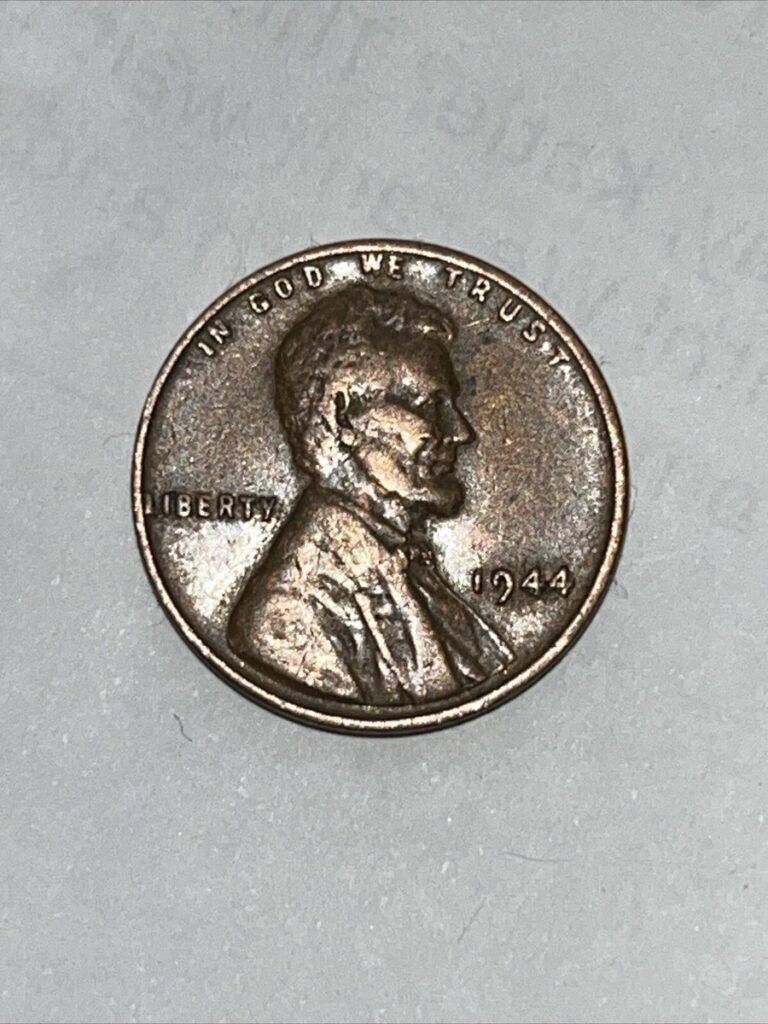
Several factors combine to make this coin a six-figure rarity.
1. It Was a Genuine Mint Error
Many highly valued coins are born from mistakes — and in this case, the error is dramatic and historically significant. Because the U.S. Mint was transitioning from steel back to bronze, a few leftover steel blanks ended up in the presses. These modern “white whales” are the result of a once-in-history minting anomaly.
2. Only a Few Exist
Very few authentic 1944 steel cents are known today. Estimates suggest:
- 30 or fewer from Philadelphia
- 7 from Denver
- 2 or possibly 3 from San Francisco
That means a total population of around 40 coins for the entire country.
3. It Shows How Complex Minting Can Be
The coin is celebrated because it embodies a remarkable wartime mix-up — a perfect storm of human oversight, machine error, and historical timing.
4. Demand Is Enormous
Collectors love steel cents, error coins, and wartime coinage. When you combine all three, demand skyrockets.
High-grade certified examples consistently bring strong prices at auction.
How Much Is a 1944 Steel Penny Worth Today?
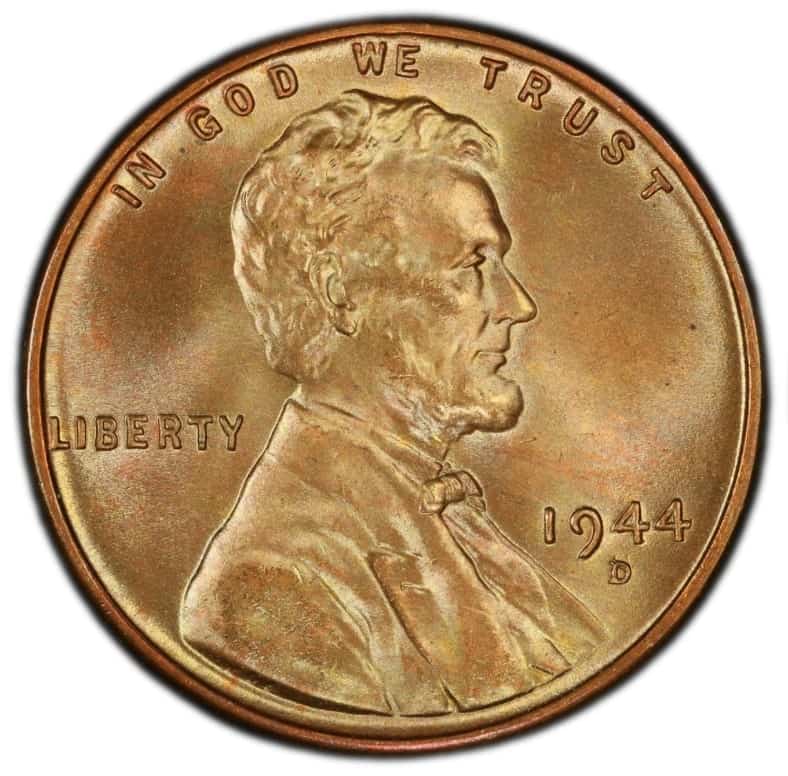
Values depend heavily on condition, mintmark, and certification. Here is a breakdown of typical prices:
1944 Steel Penny Price Guide
(Approximate values)
1944 (Philadelphia) Steel Cent
- Good to Fine: $25,000 – $60,000
- Extremely Fine: $75,000 – $125,000
- Mint State: $150,000 – $250,000+
1944-D Steel Cent
- Fine: $75,000 – $100,000
- High grade: $150,000 – $300,000+
1944-S Steel Cent (Rarest)
- Fine to Very Fine: $200,000 – $400,000
- Highest grades: Over $500,000 reported in private sales
The rarest variety — the 1944-S — can easily command several hundred thousand dollars for high-grade specimens.
Because of this price potential, collectors should be extremely careful: fakes are everywhere, and proper authentication is essential.
How to Identify a Genuine 1944 Steel Penny
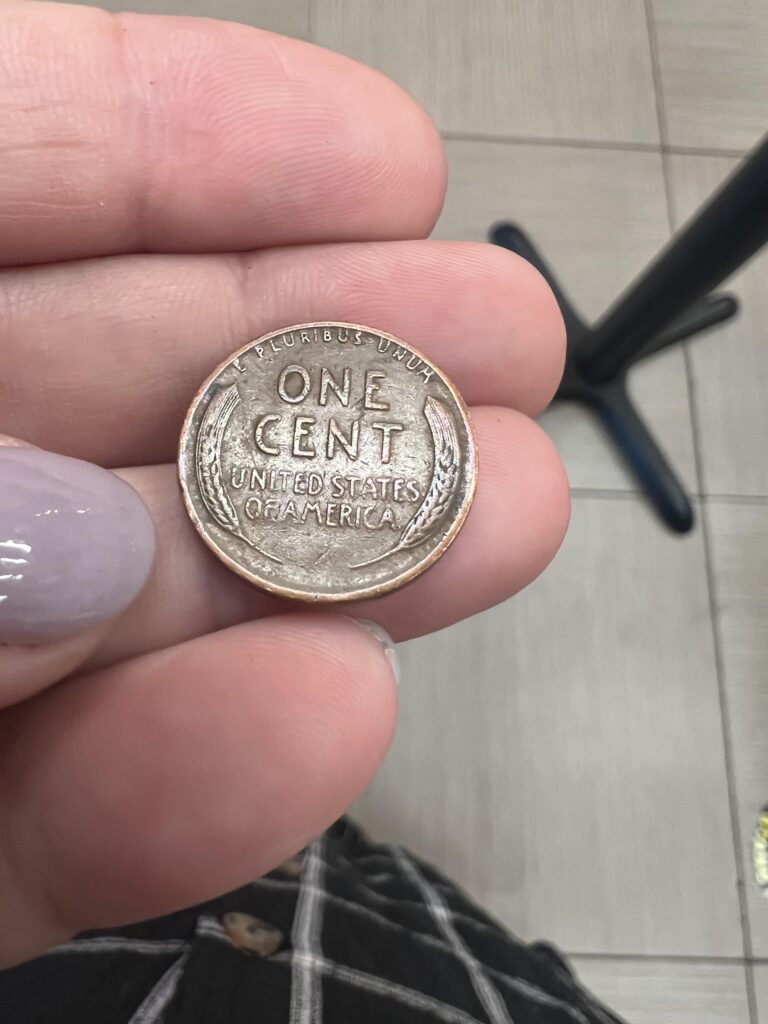
A real 1944 steel cent stands out immediately because it looks nothing like the common bronze 1944 penny.
Below are the key identifying features:
1. Check the Color and Metal
A real steel penny is:
- Silvery gray
- Magnetic
- Lighter in color than zinc pennies
- Not copper or bronze
A genuine 1944 bronze cent is brown or reddish. If the coin looks steel-gray or silvery, you may have something special.
2. Test With a Magnet
This is the simplest and fastest test.
- Steel pennies attract magnets.
- Bronze pennies do not.
If your 1944 penny sticks to a magnet, it might be the rare variety.
But be cautious: some fakes are plated, which can also be magnetic.
3. Look for the Mintmark
Check under the date:
- No mintmark → Philadelphia
- “D” → Denver
- “S” → San Francisco
All three versions exist in steel, but San Francisco is the rarest.
4. Examine Weight
Real steel cents weigh about:
2.7 grams
Bronze cents weigh roughly:
3.1 grams
You’ll need a sensitive digital scale to verify this.
5. Inspect the Surface
True 1944 steel cents often have:
- Light mint luster
- Occasional shallow abrasions
- A slightly matte texture
Be wary of coins that look unusually shiny — they may be plated bronze cents.
Common Fakes and How to Spot Them
Because of its high value, the 1944 steel penny is heavily counterfeited. Here are the most common fakes:
1. 1944 Bronze Cent Plated With Zinc or Chrome
These fakes are everywhere. They are created by:
- Taking a normal 1944 bronze penny
- Covering it in a thin layer of silver-colored metal
How to identify:
Plated coins will:
- Have a strong bronze color showing through scratches
- Fail weight tests
- Often have uneven plating at the edges
2. Altered Dates
Some scammers modify 1943 steel cents to look like 1944.
They may alter the last digit to mimic a 4.
How to identify:
- Look for tooling marks
- Check digit shapes — the 4 on altered coins looks unnatural
- Compare to certified examples online
3. Non-magnetic Copies
If a “steel” penny is not magnetic, it is guaranteed to be fake.
4. Casting Counterfeits
These fakes usually have:
- Soft details
- Porous surfaces
- Blurry lettering
They are not struck like real coins.
Why These Pennies Are So Fascinating
Beyond their monetary value, the 1944 steel cents have a compelling story:
- Created during wartime
- Born from a minting accident
- Extremely rare
- Highly coveted
- Widely counterfeited
They are the perfect example of how even tiny mint errors can create legendary treasures.
Collectors consider them among the top 10 greatest U.S. coin rarities — and owning one is a privilege few ever experience.
What to Do if You Think You Found One
If you suspect your 1944 penny might be steel:
- Test with a magnet.
- Verify the weight.
- Inspect for plating or alterations.
- Compare it with images of certified examples.
- Send it for authentication.
The only two grading services trusted for coins of this value are:
- PCGS (Professional Coin Grading Service)
- NGC (Numismatic Guaranty Company)
Certification can turn a questionable coin into a six-figure verified rarity.
Final Thoughts
The 1944 steel penny is one of the greatest accidental treasures of American numismatics. Born from leftover wartime materials and struck in tiny numbers, it remains a rare artifact that continues to astonish collectors. With values reaching $100,000 and beyond, it is a reminder that even the humblest penny can hold extraordinary worth.
So before you toss aside that old coin jar or dismiss a silvery cent from the 1940s — take a closer look. You might be holding one of the rarest U.S. coins ever made… and a small fortune in disguise.