In the world of rare coins, few treasures combine history, rarity, and mystery quite like the 1917 Double Die Penny. At first glance, it looks like an ordinary Lincoln cent—brown, aged, and just another piece of pocket change from a bygone era. But look closer, and you’ll find something extraordinary: a striking doubling effect that has turned this humble coin into one of the most sought-after collectibles in American numismatics.
The 1917 Double Die Penny is proof that sometimes the smallest details create the biggest value. Whether you’re a seasoned collector, a casual hobbyist, or someone newly fascinated by historic coins, this piece has a story that captivates. In this article, we’ll dive deep into its origins, what makes it so valuable, how to identify one, and why collectors are willing to pay thousands for a penny minted over a century ago.
The Story Behind the 1917 Double Die Penny

The Lincoln cent series began in 1909, replacing the Indian Head penny and honoring President Abraham Lincoln’s 100th birthday. The new design was popular and produced in massive quantities—but as the early years of the series progressed, a number of minting anomalies slipped through the cracks.
Among them was the 1917 Double Die Obverse (DDO), a rare and dramatic error that occurred at the Philadelphia Mint. Before modern minting technology, dies were created manually, and mistakes were far more likely. In 1917, one such mistake produced a coin that would later become legendary.
The doubling occurred during the hubbing process, where the die—the tool that stamps the design onto blank planchets—received a second impression that was slightly misaligned. This created a bold doubling effect on the front of the coin, specifically on:
- The date (1917)
- Liberty’s portrait details
- The motto “IN GOD WE TRUST”
- Portions of “LIBERTY”
Because the doubling is dramatic and visible without magnification, collectors quickly recognized its importance. Today, the 1917 DDO penny stands as one of the earliest and most valuable double die errors in the Lincoln cent series.
Why Is the 1917 Double Die Penny So Valuable?
Error coins gain value from a mix of rarity, desirability, and historical appeal. The 1917 Double Die Penny has all three in abundance.
1. Extremely Limited Quantity
While millions of 1917 pennies were produced, only a tiny fraction were struck with the double die error. No one knows the exact number, but experts estimate fewer than a few thousand survive today, and only a small portion are in collectible condition.
2. Early and Dramatic Error
Double die errors come in varying intensities, but the 1917 variety is one of the boldest. Collectors love strong visual errors because they stand out immediately. The doubling on the 1917 penny is crisp, clearly defined, and impossible to miss.
3. Historical Significance
Coins minted during World War I hold special appeal. The 1917 penny comes from an era marked by global conflict, economic shifts, and significant U.S. minting changes. Its historical backdrop adds layers to its value.
4. High Demand Among Collectors
Lincoln cents are one of the most heavily collected coin series in the world. Among the key pieces—such as the 1909-S VDB, 1914-D, and 1922 No D—the 1917 Double Die ranks as a major variety. Every serious collector wants one, which keeps prices consistently strong.
How Much Is a 1917 Double Die Penny Worth?
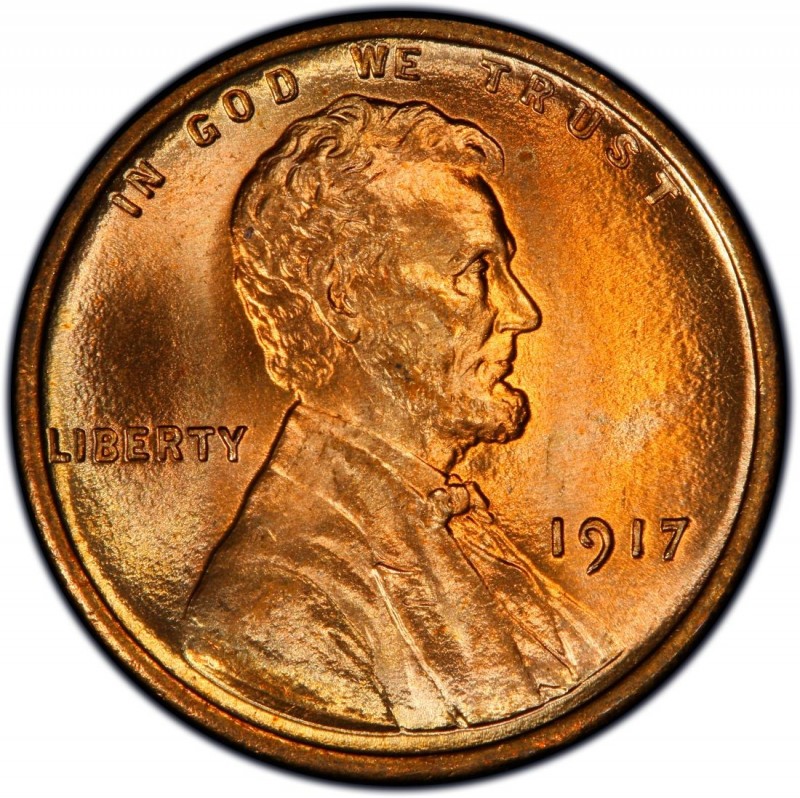
Values vary based on condition, rarity of the specific die variety, and current market demand. But make no mistake: even circulated coins can bring impressive prices.
Here is a general price range:
- Heavily worn (Good to Fine): $300 – $900
- Moderate wear (Very Fine): $1,000 – $2,500
- Light wear (XF to AU): $3,000 – $6,000
- Uncirculated: $10,000 – $35,000+
- Gem condition: Some have sold for over $50,000
The most expensive examples are those graded by top certification companies (PCGS or NGC) with high mint state ratings. These are extremely rare since most 1917 pennies circulated heavily during wartime.
How to Identify a 1917 Double Die Penny
If you ever find an old coin jar, inherit a collection, or simply enjoy sorting through estate sales, knowing how to identify this penny could help you discover a valuable gem.
Here’s what to look for:
1. Strong Doubling on the Date
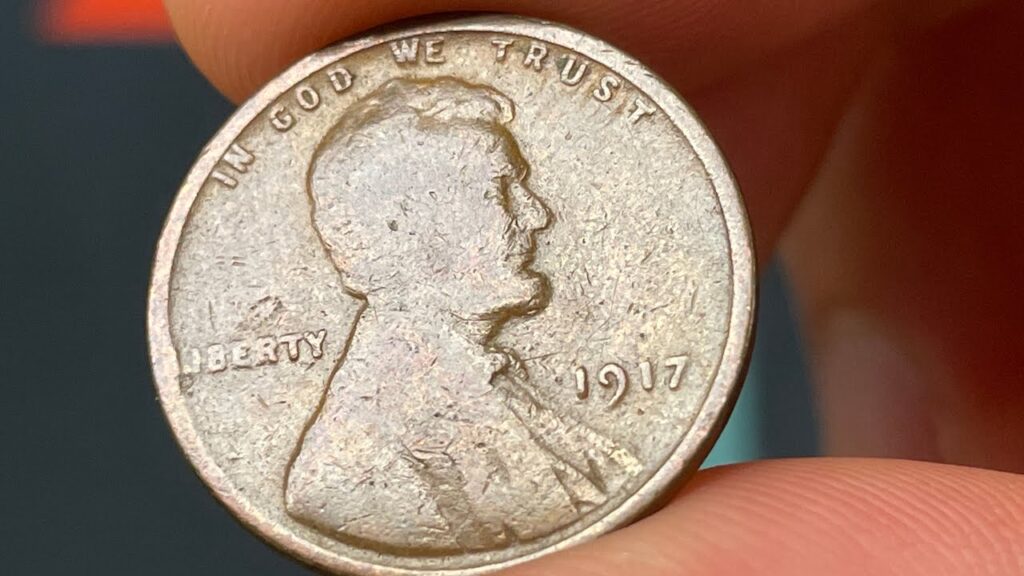
The most obvious sign is bold doubling on the numbers 1, 9, 1, and 7. Unlike mechanical doubling—which looks flat and shelf-like—true hub doubling shows rounded, raised edges.
2. Doubling on “IN GOD WE TRUST”
Focus on the letters N, G, T, and R. The doubling is thick and clearly separated.
3. Doubling on “LIBERTY”
On the left side of the coin, the word LIBERTY also shows pronounced doubling, especially on the B and E.
4. Examine Lincoln’s Portrait
Although more subtle, doubling can appear on Lincoln’s nose, beard, and coat edges.
5. Use Proper Lighting
Tilt the coin under a strong light. The doubled elements will show shadows and separation lines.
Bonus Tip:
If you find what looks like a double die, never clean the coin. Cleaning can destroy up to 90% of its value.
Understanding Double Die Errors in Simple Terms

Many beginners confuse double die coins with common “machine doubling,” so it’s important to understand the difference.
True Double Die (like the 1917 DDO):
- Occurs when the die itself is doubled.
- Creates raised, crisp, fully separated letters or numbers.
- Very rare.
- Highly valuable.
Machine Doubling:
- Happens during the coin striking process.
- Produces flat, shelf-like doubling.
- Extremely common.
- Worth very little.
If you’re unsure, compare your coin to certified examples online—or take it to a reputable dealer.
Why the 1917 DDO Is One of the Most Fun Coins to Hunt For
Searching for rare pennies is an exciting hobby because treasures often hide in everyday places. While the 1917 DDO is rare, people still find them occasionally in:
- Old coin jars
- Antique shops
- Inherited collections
- Estate clean-outs
- Coin rolls purchased from banks
Some of the greatest discoveries in U.S. coin history were made by complete beginners who simply recognized something “different” on an old penny.
The thrill of the hunt is part of what keeps collectors fascinated year after year.
Tips for Beginners Wanting to Search for Valuable Pennies
Whether you’re new to the hobby or rediscovering an interest in coins, here’s how to get started:
✔ Keep a Magnifying Glass Handy
A simple jeweler’s loupe lets you inspect small details easily.
✔ Learn Key Dates
Start with a list of the most collectible Lincoln cents:
1909-S VDB, 1914-D, 1922 No D, 1931-S, 1955 DDO, 1969-S DDO, 1972 DDO, and the 1917 DDO.
✔ Don’t Clean Coins
Cleaning damages the metal surface, making rare coins nearly worthless.
✔ Store Coins Properly
Use coin flips, acid-free holders, or albums.
✔ Follow Online Communities
Numismatic forums and social media groups regularly share comparisons and spotting tips.
✔ Get Professional Grading for Valuable Finds
If you believe your coin is worth more than $300, getting it graded can dramatically increase value and buyer confidence.
The Legacy of the 1917 Double Die Penny
More than a century after it was minted, the 1917 Double Die Penny remains a shining star in the Lincoln cent series. Its bold doubling, historical significance, and enduring mystery make it a favorite among collectors worldwide.
Unlike many rare coins that were set aside early, these pennies circulated heavily during the 1910s and 1920s. That real-life journey—from shops to pockets to coin jars—gives each surviving specimen a sense of history you can literally hold.
Today, the coin stands as a reminder that even ordinary objects can become extraordinary with time, rarity, and a twist of fate.
Final Thoughts: A Small Coin With a Big Story
The 1917 Double Die Penny isn’t just a small piece of copper—it’s a piece of American history, a collector’s dream, and proof that a simple error can turn into a valuable treasure. Whether you’re searching through old family coins or building a serious numismatic collection, this penny represents the excitement of the hobby: the possibility that something tiny, overlooked, or forgotten could be worth far more than anyone ever imagined.