Growing cucumbers at home becomes much easier—and far more productive—when you provide a strong structure for them to climb on. Cucumbers are natural climbers. In their wild form, they sprawl along the ground, but when grown vertically, they produce cleaner fruits, save space, and stay far healthier. A well-built structure also prevents pests, reduces diseases, and makes harvesting incredibly convenient.
If you’ve been thinking about maximizing your cucumber production in your garden, terrace, or balcony, building a well-designed structure is the smartest step you can take. This comprehensive 1200-word guide will walk you through everything you need to know: from the benefits of vertical growing and ideal materials, to step-by-step building instructions, setup tips, and long-term maintenance. Whether you’re a beginner gardener or a seasoned home grower, you’ll learn how to create a durable, efficient, and attractive cucumber support system.
Why Cucumbers Need a Structure
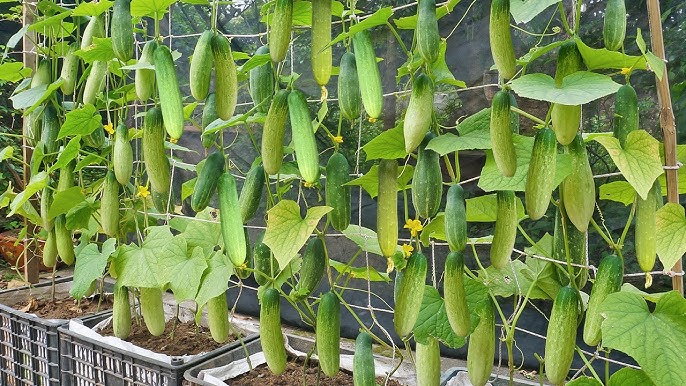
Cucumbers are vining plants. Given proper support, they grow upward using tendrils—tiny natural hooks that wrap around anything they can reach. When allowed to climb:
- Plants get more sunlight, improving growth and yield.
- Airflow increases, reducing fungal issues like powdery mildew.
- Fruits grow straighter, cleaner, and free of soil splashes.
- Space is saved, especially important for small home gardens.
- Harvesting becomes simple, with fruits hanging at eye level.
- Pests reduce, especially slugs and ants.
Vertical growing is not just an option—it’s an advantage.
Choosing the Right Type of Structure

Depending on your space and material availability, you can choose from any of these popular and effective cucumber structures.
1. A-Frame Trellis
Perfect for small gardens and raised beds.
Pros: Stable, easy to build, portable.
Cons: Takes some ground space.
2. Arch Trellis
Looks gorgeous and can hold many vines.
Pros: High yield, great airflow, doubles as a walkway.
Cons: Requires strong materials.
3. Wall-Mounted Netting
Ideal for balconies or terrace walls.
Pros: Space-efficient, simple.
Cons: Must ensure wall hooks are strong.
4. Vertical Ladder or Obelisk
A decorative option for container growers.
Pros: Beautiful, great for potted cucumbers.
Cons: Supports fewer plants.
5. T-Pole or Single Pole System
Most useful for tiny spaces and bucket gardening.
Pros: Quick and cheap.
Cons: Limited support area.
Every structure serves a purpose—what matters is selecting one that fits your growing area.
Materials You Can Use to Build a Cucumber Structure
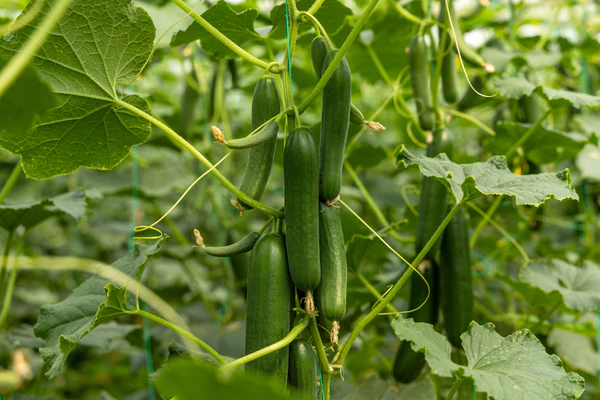
Cucumber plants are vigorous but not extremely heavy, so you don’t need industrial-strength materials. Here are easy options:
Wood
- Bamboo
- Wooden stakes
- Timber frames
Affordable and easy to work with.
Metal
- Steel rods
- Reinforcement bars
- Wire mesh panels
Last longer and carry more weight.
Plastic
- PVC pipes
- Garden netting
Lightweight and weatherproof.
Natural Fiber Strings
- Jute
- Coconut coir rope
Eco-friendly and flexible.
Mix materials according to your budget and preference. The goal is durability, support, and stability.
Step-by-Step: How to Build a Strong Cucumber Structure

Below is a universal method for building a sturdy and long-lasting cucumber structure. This design works both in open gardens and in pots/containers.
Step 1: Choose the Placement
Cucumbers need:
- 6–8 hours of sunlight
- Good airflow
- Stable ground or pot placement
Place your structure on the north side of your garden bed so climbing cucumbers do not shade other plants.
Step 2: Decide the Height
The ideal structure should be 5–7 feet tall. Anything shorter limits growth, and anything taller becomes hard to manage.
Step 3: Install Vertical Support Poles

Use bamboo poles, PVC pipes, or metal rods.
Steps:
- Insert poles 1–1.5 feet deep into the soil.
- Ensure spacing of 1.5 to 2 feet between poles.
- Make sure all poles are straight and firmly packed.
This forms the backbone of your structure.
Step 4: Add Horizontal Bars or Cross Supports
Attach horizontal bars at:
- Bottom (1 ft above soil)
- Middle (3 ft above soil)
- Top (5–6 ft height)
This ensures the structure does not wobble and can bear the weight of mature vines.
Step 5: Add the Climbing Surface
You can use:
- Nylon net
- Strong jute rope
- Chicken wire mesh
- Plastic trellis mesh
- Horizontal + vertical string pattern
Attach the climbing material tightly so cucumber tendrils can latch onto it easily.
Step 6: Tie the Frame Securely
Use zip ties, wire, rope, or garden twine. The tighter the joints, the stronger your structure becomes.
Step 7: Plant Cucumbers at the Base
Once the structure is ready, sow seeds or transplant seedlings at the base.
Spacing:
- 1 plant every 12–15 inches
- 2–3 plants per pot if using a large grow bag or drum
Make sure each plant has access to the structure.
Tips to Train Cucumbers to Climb the Structure
Cucumbers naturally climb, but you can help them during the early stages.
1. Wrap the Vine Around the Support
Gently guide young vines around the nearest string or pole.
2. Use Soft Garden Ties
Tie vines loosely every 4–6 inches to direct growth upward.
3. Remove Ground-Creeping Tendrils
This encourages vertical growth instead of spreading along the soil.
4. Prune Lower Leaves
This improves airflow and reduces soil contact.
Within 2–3 weeks, the vines automatically climb and fill the structure.
Benefits of Growing Cucumbers on a Structure
1. Higher Yields
Vertical vines receive more sunlight, producing more flowers and fruits.
2. Cleaner and Straighter Cucumbers
No soil contact = no deformities, no dirt, no pest damage.
3. Reduced Fungal Diseases
Air circulation increases dramatically.
4. Space Saving
Perfect for urban gardeners with limited area.
5. Easier Harvesting
Fruits hang visibly and can be picked quickly.
6. Fewer Pests
Ground pests struggle to reach fruits hanging above.
Vertical growing is simply the most efficient method for cucumbers.
Maintenance Tips for Your Structure
A structure is only as good as its upkeep.
1. Check Weekly for Loosened Joints
Retighten ropes or zip ties if any part becomes shaky.
2. Ensure Nets Stay Taut
Loose nets can collapse under weight.
3. Prune Overgrowth
Remove damaged, yellow, or crowded leaves.
4. Replace Worn-out Strings
If you used jute or fiber, they may weaken after rain.
5. Provide Light Fertilization
Cucumbers are heavy feeders—use compost or liquid fertilizer every 10–15 days.
6. Water Regularly
Vertical cucumbers require steady moisture for thriving vines.
Common Mistakes to Avoid
❌ Building structures too short
Cucumbers need vertical space.
❌ Not spacing plants properly
Overcrowding leads to disease.
❌ Allowing vines to grow on the ground
Reduces yield significantly.
❌ Weak, shaky structures
Can collapse during peak fruiting.
❌ Using very thin netting
Tendrils cannot grip well.
Avoiding these mistakes ensures long-term success.
Advanced Ideas for Creative Gardeners
If you want your cucumber structure to stand out, try these enhanced designs:
- Cucumber tunnel using two arches connected together
- Vertical wall trellis with decorative wooden frames
- Arched bamboo pergola covered with vines
- Recycled ladder trellis
- String trellis hung from overhead beams
- DIY PVC dome with climbing net
These not only support plants but also beautify your garden.
Conclusion
Building a structure for growing cucumbers at home is one of the best decisions you can make for healthier plants, increased yields, and efficient space usage. With a simple trellis or a beautifully designed arch, your cucumber vines will thrive, producing cleaner, straighter, and more abundant fruits.
Whether you grow cucumbers in pots, on rooftops, in raised beds, or along garden fences, a strong climbing structure transforms the entire growing experience. With the right materials, smart design, and a bit of regular maintenance, you can enjoy a steady harvest of crisp, juicy cucumbers throughout the season.