Gardening is one of the most rewarding hobbies you can take up—whether you have a spacious backyard or a tiny balcony. And if there’s one gardening method that has gained immense popularity for its efficiency, convenience, and productivity, it’s the raised bed garden. Raised beds aren’t just for expert gardeners; they are perfect for beginners who want to grow more plants with less effort.
Creating your own raised bed at home might seem like a big project, but with the right guidance, it becomes surprisingly simple. In this complete guide, you’ll learn why raised beds are so powerful, what materials to use, how to build them step-by-step, and how to set them up for an abundant harvest. Let’s dig in!
🌿 Why Choose a Raised Bed Garden?

Raised beds offer major advantages that traditional ground gardens can’t match. Here are some reasons why gardeners love them:
1. Healthier Soil
With raised beds, you control the soil quality. Instead of struggling with rocky, clay-heavy, or sandy garden soil, you create the perfect growing environment for your plants.
2. Better Drainage
Because raised beds sit above ground level, water drains more effectively. This prevents root rot and creates ideal moisture levels for vegetables, herbs, and flowers.
3. Fewer Weeds
A raised bed acts as a barrier against a lot of weeds found naturally in the ground. Fresh soil, mulch, and space-saving planting make weed growth minimal.
4. Easy Access
No more bending excessively or kneeling for long periods! Raised beds reduce strain on your knees and back—perfect for gardeners of all ages.
5. Longer Growing Season
The soil in raised beds warms up faster in spring, meaning you can plant earlier and harvest longer.
6. High Yield in Small Space
Growing in raised beds makes it easy to practice intensive planting, which results in bigger harvests in less space.
🪵 Step 1: Choosing the Best Materials
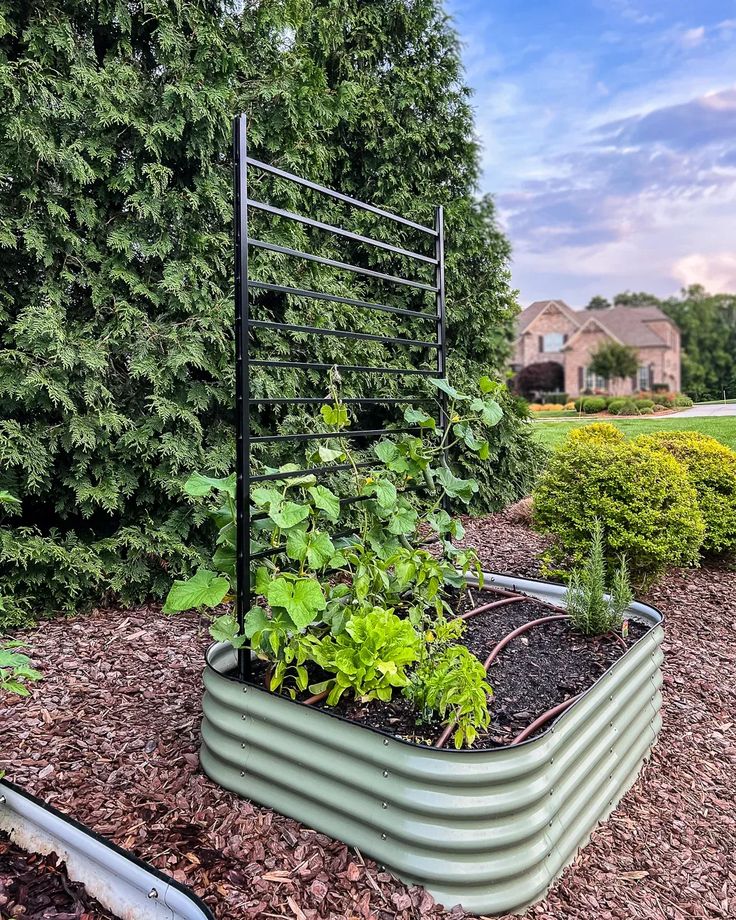
The material you choose for your raised bed affects durability, appearance, cost, and sometimes soil condition. Here are popular options:
1. Wood (Most Common)
- Pros: natural, inexpensive, easy to build with
- Cons: can rot over years unless treated
- Best Wood Types: cedar, cypress, redwood
These nature-resistant woods can last 10–20 years.
2. Bricks or Blocks
- Pros: long-lasting, sturdy
- Cons: more expensive, time-consuming to build
Perfect for permanent garden structures.
3. Metal Beds (Galvanized Steel)
- Pros: modern look, durable, resistant to pests
- Cons: can heat up in extremely hot climates
4. Recycled Materials
Wooden crates, old pallets, logs, even bathtubs can be repurposed—just make sure they are chemical-free.
📏 Step 2: Decide the Size of Your Raised Bed

Your raised bed can be big or small depending on the space you have.
Ideal Dimensions:
- Height: 12–18 inches
- Width: 3–4 feet (so you can reach the center without stepping in)
- Length: As long as you want—6, 8, 10, or even 12 feet
If you have mobility concerns, increase the height to 24–30 inches.
🌞 Step 3: Find the Perfect Location
Plants need sun, airflow, and stability.
What to look for:
- 6–8 hours of sunlight daily (essential for veggies)
- Flat area
- Close to water source
- Good air circulation
If your area gets too much sun, partial shade cloth can be added later.
🔨 Step 4: Build Your Raised Bed (Step-by-Step)
Building a raised bed is easier than assembling most furniture! Here’s how:
Materials You’ll Need:
- Wooden boards (cedar recommended)
- Screws or nails
- Drill or hammer
- Tape measure
- Level
- Saw (if cutting wood)
Step-by-Step Construction:
1. Cut Your Boards
For a standard 4×8 ft bed:
- Two pieces of 8 ft
- Two pieces of 4 ft
2. Assemble the Frame
- Stand the boards upright
- Use two screws per corner
- Make sure corners are 90 degrees
3. Position the Frame
Place it in your chosen spot. Use a level to ensure it sits flat.
4. Line the Bed (Optional)
Add a weed barrier cloth at the bottom—especially if weeds are a problem.

5. Add Support Stakes
Drive stakes inside the corners for extra strength.
Your raised bed box is ready!
🌱 Step 5: Fill Your Raised Bed With the Perfect Soil Mix
Soil is the heart of your raised bed. The right mix boosts growth, increases yield, and keeps plants healthy.
Best Soil Mix (Highly Recommended):
40% compost + 40% topsoil + 20% aeration material
(aeration material includes perlite, coarse sand, or coco peat)
Why this mix works:
- Compost adds nutrients
- Topsoil gives structure
- Aeration materials improve drainage and root development
Other Additives You Can Include:
- A handful of bone meal (for root growth)
- A handful of blood meal (for leaf growth)
- A handful of wood ash (for potassium)
Avoid garden soil alone—it’s usually too compact for raised beds.
🌿 Step 6: Planting Your Raised Bed

Now that your raised bed is ready, let’s get planting! Raised beds are perfect for both vegetables and herbs.
Best Crops for Raised Beds
- Tomatoes
- Peppers
- Lettuce
- Beans
- Cucumbers
- Carrots
- Radishes
- Herbs (basil, cilantro, mint, rosemary)
Tips for Planting:
- Follow companion planting: basil + tomatoes grow great together.
- Use square foot gardening for maximum production.
- Taller plants go at the back (north side).
- Sprawl vegetables like cucumbers need trellises.
💧 Step 7: Watering & Maintenance
Raised beds dry out faster than ground soil, so consistent watering is important.
Watering Tips:
- Water early morning or evening
- Drip irrigation is ideal
- Mulch your soil to retain moisture
Maintenance:
- Add compost every growing season
- Check for pests regularly
- Rotate crops to improve soil fertility
🌼 Step 8: Mulching—The Secret to Low-Maintenance Gardening
Mulch keeps your raised bed cool and moist while reducing weeds. Use organic materials like:
- Straw
- Dry leaves
- Grass clippings
- Wood chips
Mulch also improves soil as it decomposes.
🌻 Benefits You’ll See Within Weeks
By creating a raised bed, you’ll quickly notice:
- Faster plant growth
- Healthier root systems
- Easier gardening experience
- Reduced pests and weeds
- Better harvests
Your plants will thrive like never before!
🌟 Final Thoughts
A raised bed garden is one of the best investments you can make for your gardening journey. It transforms difficult soil into a fertile oasis, maximizes space, and allows you to grow vegetables, herbs, and flowers with less effort and more success. Whether you’re a beginner or an experienced gardener, building a raised bed gives you control, convenience, and confidence.
Start small, experiment with plants you love, and enjoy the satisfaction of harvesting from your own beautifully structured raised bed. Your garden—and your plate—will thank you!