Mint is one of the most rewarding, beginner-friendly, and fast-growing herbs you can cultivate at home. Its refreshing aroma, vigorous growth, and wide range of culinary and medicinal uses make it a must-have for every kitchen gardener. Whether you want it for teas, chutneys, salads, garnishing, or simply to perfume your balcony, mint grows with minimal effort—as long as you understand its habits and provide the right care.
In this detailed 1200-word guide, you’ll learn everything about choosing mint varieties, planting methods, soil preparation, watering techniques, maintenance, propagation, and harvesting. Let’s dive into the world of this wonderfully aromatic herb.
Why Mint Is the Perfect Herb for Home Gardeners

Mint (Mentha spp.) is a perennial herb that grows rapidly and spreads aggressively. It is extremely hardy, tolerant of different climates, and capable of regenerating even after harsh pruning. This makes it ideal for:
- Small gardens
- Balcony setups
- Indoor planter boxes
- Self-watering pots
- Hydroponic systems
It also releases a beautiful fragrance, repels certain pests, and stays green throughout the year in many regions.
Popular Mint Varieties You Can Grow

There are several types of mint, each with a unique aroma and flavor. Some of the most common varieties include:
1. Spearmint (Mentha spicata)
The most widely grown variety, perfect for tea, chutney, mojitos, and cooking.
2. Peppermint (Mentha × piperita)
Stronger flavor, more aromatic—great for desserts, medicinal use, and herbal teas.
3. Lemon Mint
Has a fresh citrus aroma. Excellent for adding a lemony touch to beverages.
4. Chocolate Mint
Smells like mint chocolate—perfect for sweet dishes.
5. Apple Mint
Milder flavor, ideal for salads and cocktails.
Choose the variety based on how you wish to use your mint.
Best Location for Growing Mint
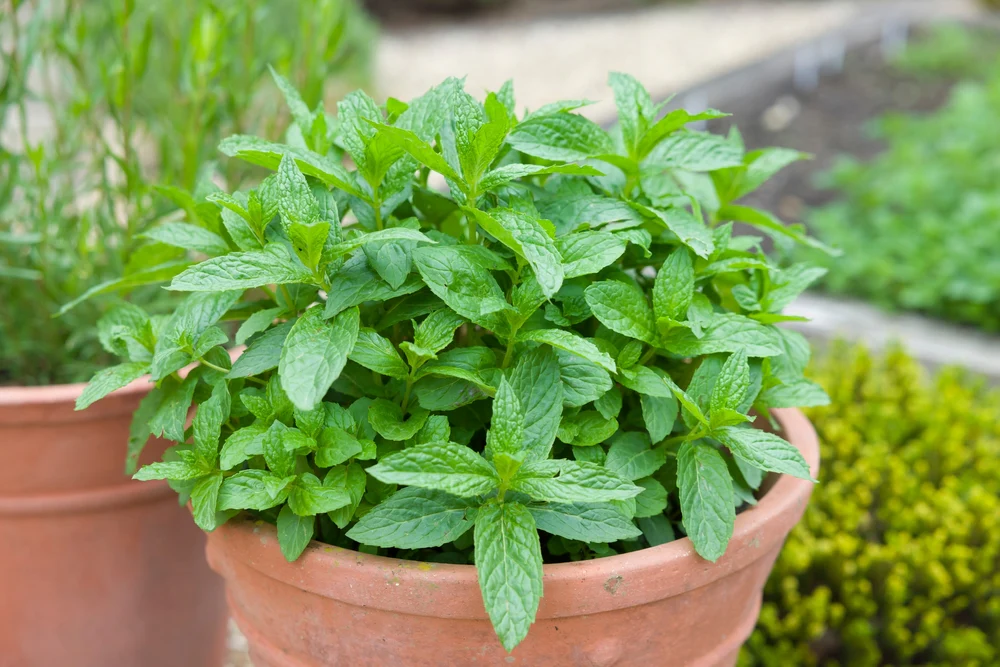
Mint loves:
- Partial shade or filtered sunlight
- 4–6 hours of indirect light
- Cool, moist soil conditions
It does not prefer harsh afternoon sun, especially in hot climates. Ideally, place your mint pot:
- On a north-east balcony
- Near a window with indirect light
- Under a shade net
- Near taller plants that provide light filtration
Soil Requirements: The Foundation of Healthy Mint
Mint thrives in:
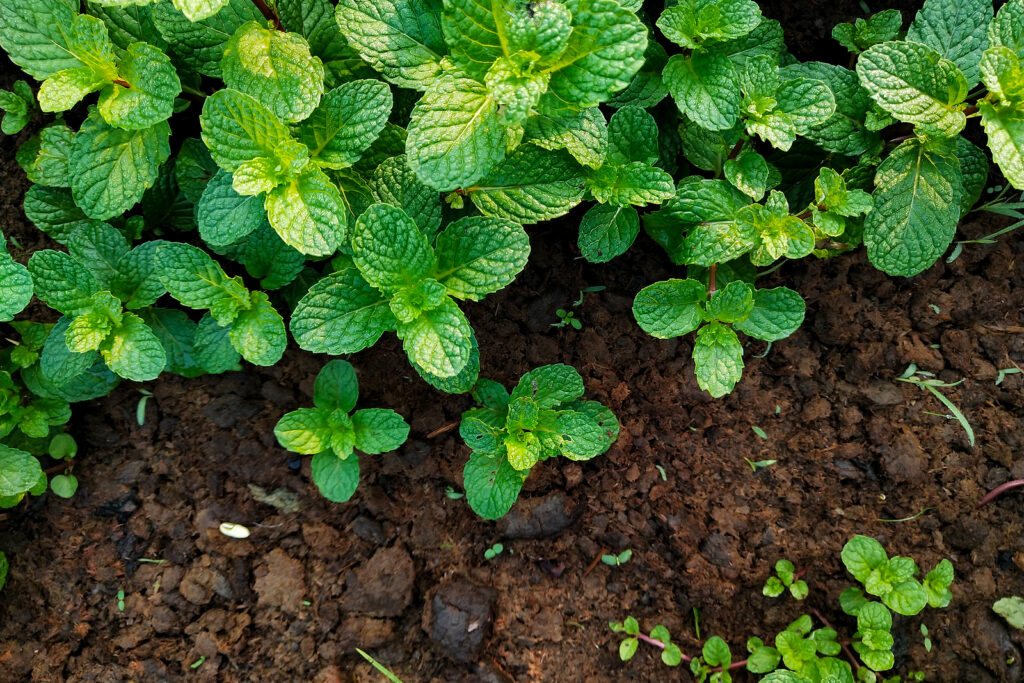
- Loose, well-draining soil
- Moist but not waterlogged conditions
- Slightly acidic to neutral pH (6.0–7.0)
Recommended Soil Mix
For best results, prepare a mix like:
- 40% garden soil
- 30% compost or well-rotted manure
- 20% cocopeat
- 10% sand or perlite
This combination provides nutrients, moisture retention, and good airflow to the roots.
How to Plant Mint: Seeds, Cuttings, or Store-Bought Stems
Mint can be grown easily using three methods. Here’s how each one works:
1. Growing Mint From Cuttings (Recommended)
This is the fastest and most reliable method.
Steps:
- Take a fresh stem cutting around 6–8 inches long.
- Remove lower leaves, leaving only the top 3–4 leaves.
- Place the stem in a glass of clean water.
- Keep it in a bright, indirect light area.
- Roots appear in 4–7 days.
- Once roots grow 2–3 cm long, transplant into soil.
Cuttings from store-bought mint bundles also work wonderfully.
2. Growing Mint From Seeds
Mint seeds are tiny and slow to germinate, but it’s still possible.
Steps:
- Fill a seed tray with a light potting mix.
- Sprinkle seeds on the surface and press gently.
- Do not bury deeply; they need light to germinate.
- Mist regularly to keep moist.
- Seeds germinate in 10–20 days.
3. Growing Mint by Division
If you already have a pot of mint, you can divide the root mass into smaller clumps and replant them. This ensures faster growth and prevents overcrowding.
Watering Mint Correctly
Mint loves water—but too much can rot the roots.
Watering Tips:
- Keep soil consistently moist, not soggy.
- Water when the top 1 inch of soil feels slightly dry.
- In summer, mint may need daily watering.
- In winter, water less frequently.
Self-Watering Pots for Mint
Mint thrives beautifully in self-watering pots because:
- Moisture remains constant.
- Roots stay hydrated without waterlogging.
- Growth becomes lush and fast.
If you have one, use it—it will produce very healthy mint.
Fertilizing Mint for Lush Green Growth
Mint is a fast grower and benefits from regular feeding.
Best Fertilizers for Mint:
- Compost
- Vermicompost
- Diluted liquid fertilizers
- Banana peel water (monthly)
- Fish emulsion (very mild dose)
- Seaweed extract (fortnightly)
How to Feed:
- Add a handful of compost every 30–40 days.
- Use liquid fertilizers every 15 days.
- Avoid heavy chemical fertilizers—they burn the soft mint roots.
Pruning and Maintenance for Bushy Mint
Without pruning, mint becomes tall, weak, and leggy.
Pruning Rules:
- Trim mint every 7–10 days during peak growth.
- Cut stems just above a leaf node.
- Remove yellow or dry stems regularly.
- Pinch off flower buds to encourage more leaves.
Flowering reduces leaf production, so removing buds keeps the plant vigorous.
Common Problems and Solutions
1. Mint Turning Yellow
Causes: Overwatering, nutrient deficiency, poor light.
Fix: Improve drainage, add compost, adjust lighting.
2. Mint Getting Leggy
Causes: Low sunlight.
Fix: Move to brighter indirect light.
3. Pests: Aphids, Whiteflies, Spider Mites
Treatment:
- Spray neem oil solution (weekly).
- Use soapy water spray (mild).
- Keep good airflow around plants.
4. Root Rot
Cause: Waterlogged soil.
Fix: Repot with well-draining soil and reduce watering.
Harvesting Mint the Right Way
You can start harvesting when the plant is around 6–8 inches tall.
How to Harvest:
- Cut the top 2–3 inches of stems.
- Always leave some leaves below for regrowth.
- Regular harvesting promotes new growth.
Mint can be harvested every week during its active growing season.
Using Mint in Daily Life
Mint is not just a herb—it’s a refreshing lifestyle ingredient. Here are some popular uses:
- Mint tea for relaxation
- Chutneys and dips
- Smoothies and juices
- Raitas and salads
- Infused water for detox
- Mint oil for aromatherapy
- Fresh garnish for almost all dishes
You can also dry mint leaves and store them for long-term use.
Final Tips for Growing Mint Successfully
- Grow mint in a separate pot to prevent it from overtaking other plants.
- Provide consistent moisture, but avoid waterlogging.
- Keep pruning regularly for a bushier plant.
- Refresh the soil every 6 months.
- Protect from extreme afternoon heat.
Conclusion
Growing mint at home is one of the easiest and most satisfying gardening experiences. It rewards you with constant greenery, a beautiful aroma, and a versatile supply of fresh leaves for your kitchen. With minimal effort and basic care, you can enjoy lush mint all year round—whether in pots, containers, or your balcony garden.