At first glance, the idea of soaking banana peels in vinegar sounds like one of those quirky internet trends that couldn’t possibly make sense. After all, most of us toss banana peels straight into the trash or compost bin without a second thought. But this unusual combination has gained surprising traction among home gardeners, eco-conscious households, and even beauty enthusiasts — and for good reason. What seems like a strange DIY experiment actually holds impressive benefits for your home, plants, and overall sustainability efforts.
Let’s dive into why soaking banana peels in vinegar is becoming more popular, the science behind it, and all the practical ways you can put it to use.
The Surprising Chemistry Behind the Trend
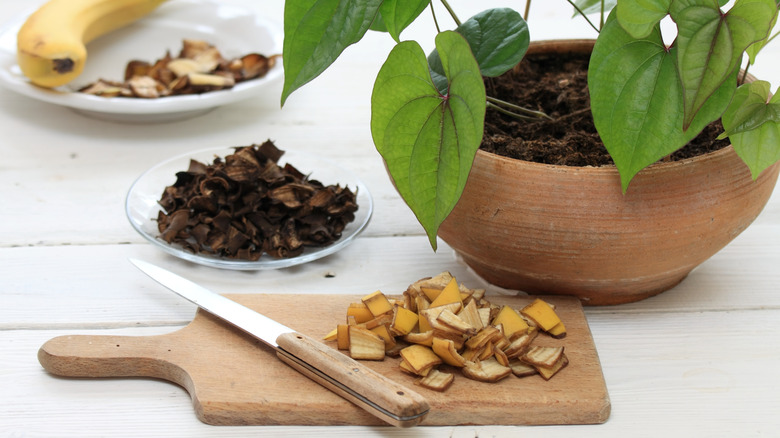
Banana peels are loaded with nutrients such as potassium, phosphorus, calcium, and magnesium — all vital minerals that plants need for strong root growth and overall health. When you soak the peels in vinegar, something fascinating happens: the acetic acid in the vinegar begins to break down the peel’s outer layer, releasing these nutrients into the liquid more efficiently.
This process doesn’t just make the nutrients easier for plants to absorb — it also helps neutralize the strong smell that comes from decomposing banana peels. In other words, you get a nutrient-rich, natural liquid fertilizer that’s cleaner, more effective, and far less smelly than tossing peels directly into your garden soil.
But vinegar adds more than just extraction power. It also acts as a mild disinfectant and pest deterrent. Together, banana peels and vinegar create a natural concoction that supports plant health while keeping your home and garden chemical-free.
How to Make Banana Peel Vinegar Soak
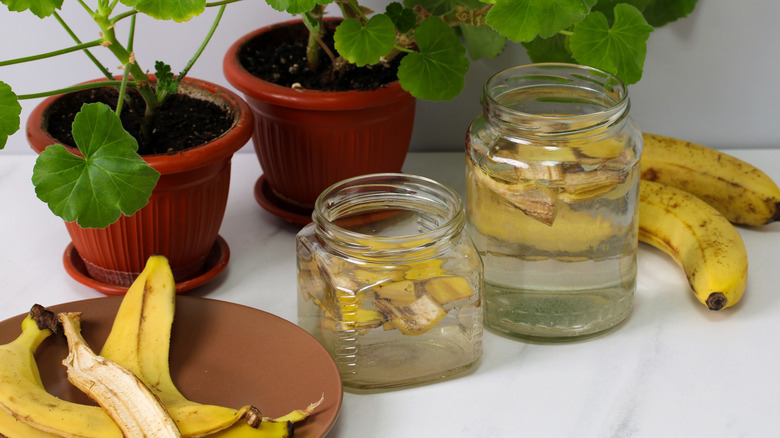
Making this solution is incredibly simple, requires no fancy equipment, and costs next to nothing. Here’s how you can do it at home:
You’ll need:
- 2–3 banana peels (fresh or slightly dried)
- 2 cups of white vinegar or apple cider vinegar
- 1 large jar with a lid
- Water (optional for dilution later)
Instructions:
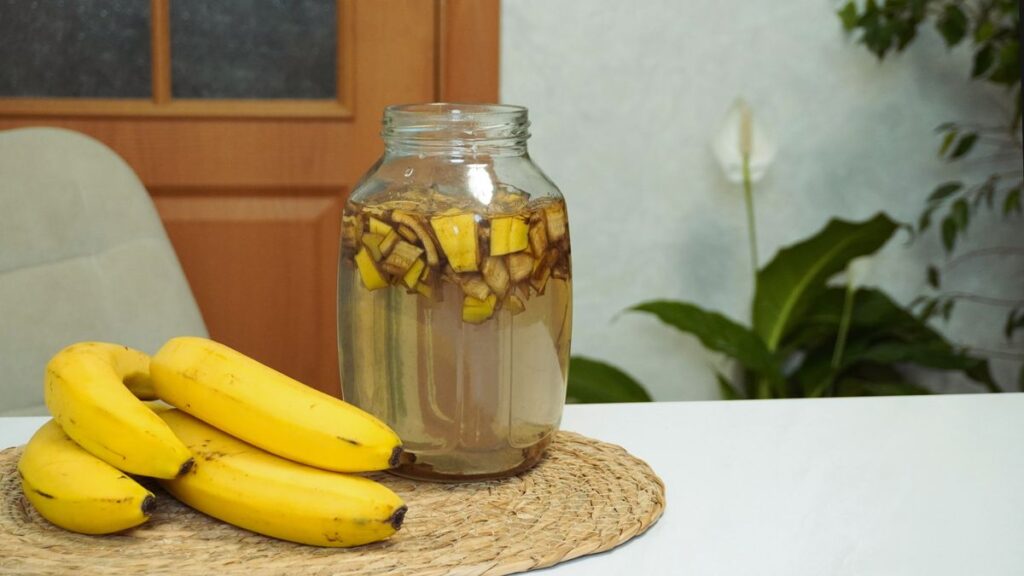
- Cut or tear the banana peels into small pieces. The smaller the pieces, the faster the nutrients will leach out.
- Place the peels into the jar and pour in the vinegar until they’re fully submerged.
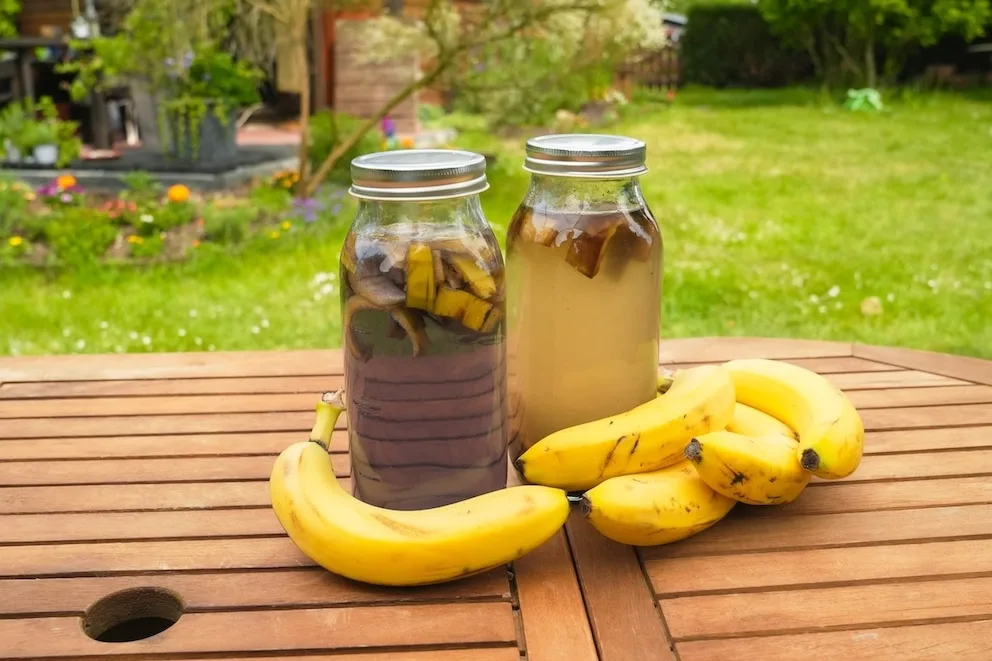
- Seal the jar tightly and let it sit for at least 5 to 7 days in a cool, dark place.
- After soaking, strain the liquid and store it in a clean bottle.
- If you plan to use it for plants, dilute one part banana peel vinegar with four parts water before applying.
Within a week, you’ll have a nutrient-rich solution ready to use around the home and garden — and you’ll be amazed at its versatility.
1. A Natural Fertilizer for Thriving Plants
Perhaps the most common use for banana peel vinegar soak is as a natural plant fertilizer. The potassium and phosphorus extracted from banana peels are two of the key nutrients plants crave. Potassium strengthens stems and boosts disease resistance, while phosphorus encourages strong root systems and vibrant blooms.
To use it, simply mix a small amount of the diluted liquid into your watering can. It works especially well for flowering plants, fruit trees, and indoor houseplants like pothos or peace lilies. Gardeners who’ve tried it report greener leaves, stronger roots, and more abundant flowers over time.
However, a word of caution: don’t overuse the mixture. Vinegar is acidic, so it’s best to apply it sparingly — perhaps once every two to three weeks — and always in diluted form.
2. An Eco-Friendly Pest Deterrent
Banana peel vinegar also doubles as a mild pest repellent. The acetic acid in vinegar naturally discourages insects like ants, aphids, and fruit flies, while the scent of banana can confuse and repel them. Spraying a diluted mixture around garden borders or on the underside of leaves can help prevent infestations without harming beneficial insects like bees or butterflies.
For fruit bowls or compost bins, a few drops of banana vinegar can keep fruit flies from gathering. Simply wipe surfaces with a vinegar-dipped cloth, and you’ll notice fewer pests buzzing around your kitchen.
3. A Gentle Household Cleaner
Another clever use of this mixture is as a natural cleaning agent. Vinegar is already well known for its ability to cut through grease, deodorize, and disinfect surfaces. When infused with banana peels, it gains a milder, slightly sweet scent that masks vinegar’s sharp odor.
Use it to wipe down countertops, kitchen sinks, or even bathroom tiles. It’s especially good for removing water spots, cleaning stainless steel, and neutralizing bad smells. Since it’s biodegradable and free of harsh chemicals, it’s an excellent eco-conscious alternative to commercial cleaners.
4. A Hair and Skin Care Secret
This might surprise you, but some DIY beauty enthusiasts swear by banana peel vinegar as part of their natural skincare and haircare routines. The potassium and antioxidants from banana peels can help nourish the scalp and skin, while vinegar balances pH levels and adds shine.
For a simple hair rinse, dilute one tablespoon of banana peel vinegar in one cup of water. After shampooing, pour it through your hair, leave it for a few minutes, and rinse thoroughly. It can help remove product buildup, enhance natural shine, and soothe the scalp.
As for skin, a few drops added to a bowl of warm water can create a gentle toner for oily or acne-prone skin. Always do a patch test first to ensure you don’t have sensitivity to the solution.
5. A Compost Booster
If you’re already composting, banana peel vinegar can supercharge your compost pile. The acidic liquid helps speed up decomposition and encourages microbial activity — a key part of breaking down organic matter.
Add a cup or two of the diluted mixture to your compost every week or so to keep the microbial ecosystem active and healthy. The nutrients from the banana peels will eventually feed your soil, creating a richer, more balanced compost mix for your garden.
6. A Natural Deodorizer
The combination of vinegar and banana might sound like it would produce a strong odor, but surprisingly, it does the opposite. The mild sweetness from the banana peel balances out the tanginess of vinegar, creating a neutral, slightly fruity scent that absorbs bad odors.
You can use this mixture to:
- Neutralize fridge odors by wiping shelves with it.
- Remove musty smells from shoes.
- Freshen up your garbage bin by spraying or wiping it down.
It’s a natural, cost-effective alternative to synthetic air fresheners that often contain chemicals and artificial fragrances.
7. A Symbol of Sustainable Living
Beyond its practical benefits, soaking banana peels in vinegar represents a broader movement toward sustainable, zero-waste living. Instead of discarding banana peels — one of the most commonly thrown-out food scraps — people are finding creative ways to repurpose them.
This simple act reduces waste, supports organic gardening, and saves money on fertilizers and cleaners. It’s a perfect example of how small lifestyle changes can collectively make a big environmental difference.
The growing popularity of banana peel vinegar reflects a shift in how we think about waste: it’s not just something to get rid of, but a potential resource full of hidden value.
A Few Words of Caution
While banana peel vinegar has many benefits, it’s important to use it correctly. Always dilute the mixture before applying it to plants, and avoid using it on alkaline-loving plants (like lavender or rosemary) since vinegar’s acidity can disrupt soil pH.
For cleaning, avoid using it on natural stone surfaces like marble or granite, as vinegar can etch and dull them. And for skincare use, make sure to patch-test and rinse thoroughly to prevent irritation.
Final Thoughts
Soaking banana peels in vinegar might sound odd at first, but it’s one of those rare DIY experiments that truly works. It’s simple, sustainable, and packed with benefits — from boosting your garden’s health and cleaning your home to reducing waste and promoting a more mindful lifestyle.
What started as a quirky online trend has proven to be an eco-friendly innovation rooted in science and practicality. So, the next time you enjoy a banana, don’t toss the peel — pair it with some vinegar and let nature’s chemistry do the rest.
Your plants, your home, and the planet will thank you for it.