Food waste is one of those problems we all know we should be more mindful of — yet it somehow creeps up on us anyway. A half-eaten salad forgotten in the fridge, leftover pasta that dries out overnight, or cut fruit that goes bad before we can finish it. It’s easy to shrug it off as inevitable, but every bit of food we throw away adds up.
For me, the turning point came one ordinary weeknight when I opened my fridge and found three containers of spoiled food — all things I meant to eat. That’s when I decided to do a small experiment: for one month, I would be intentional about how I stored my food. Specifically, I’d use cling film (plastic wrap) properly to seal leftovers — no more loose lids, no half-hearted covers, no air gaps.
What I didn’t expect was how much this simple change would transform my kitchen habits — and drastically reduce the amount of food I wasted.
Here’s what I learned from this small but powerful experiment.
Week 1: Rethinking the Way I Store Food

Before I began, I realized something obvious but overlooked — most of my “leftovers” weren’t going bad because they were old, but because they weren’t stored correctly. I often used mismatched lids or hastily covered bowls, leaving food exposed to air. That exposure is what causes leftovers to dry out, lose flavor, or spoil quickly.
So I decided to go back to basics. Every night after dinner, instead of lazily tossing a plate into the fridge, I used cling film to create an airtight seal. I pressed it snugly against the surface of the food — especially things like rice, pasta, and sauces — before covering the entire dish.
Within days, I noticed a difference. My food looked fresher the next morning. Rice didn’t harden. Cooked vegetables stayed vibrant. Even cut fruit remained juicy.
That’s when it hit me: I wasn’t just wrapping leftovers — I was protecting their freshness, flavor, and value.
Week 2: Fresher Food, Less Waste
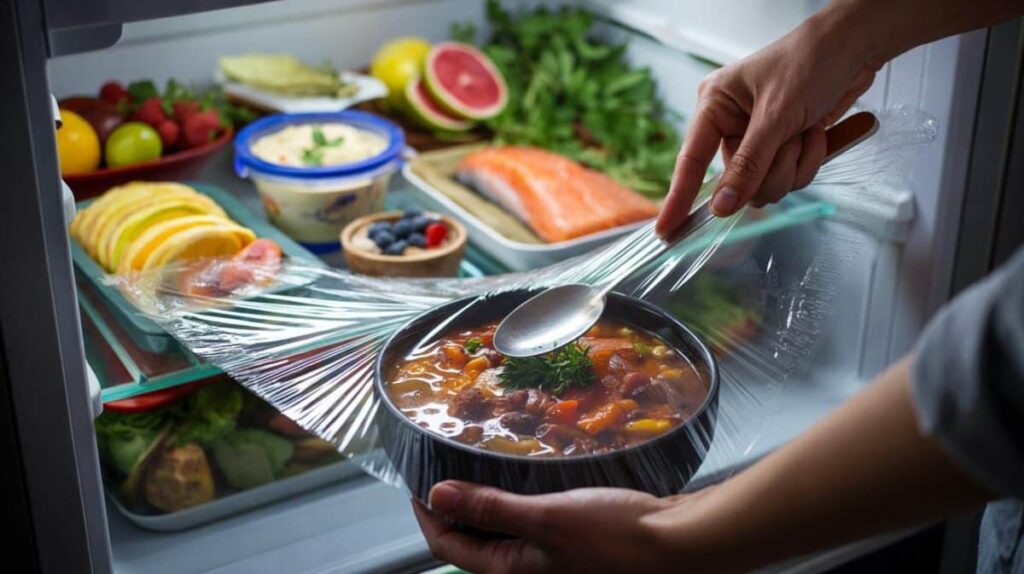
By the second week, the results became obvious. I wasn’t throwing out nearly as much food. Normally, I’d have to toss one or two items every few days because they’d gone off or lost their appeal. But this time, I was finishing everything I cooked.
One major win was with half-used ingredients — things like avocado halves, lemon slices, or chopped herbs. These are the kinds of foods that spoil quickly if left exposed to air. Instead of letting them brown or wilt, I wrapped them tightly in cling film, pressing the wrap directly against the surface to minimize oxygen exposure.
To my surprise, those ingredients stayed usable for days longer than usual. I could slice an avocado in half on Monday and still have a perfectly green half by Wednesday. My herbs didn’t dry out, and cheese stayed soft without molding.
This simple act of sealing things properly gave my groceries a new lease on life — and kept them out of the trash.
Week 3: Discovering the Hidden Psychology of Leftovers
Midway through my experiment, I realized something unexpected: I was actually eating my leftovers more willingly.
It sounds trivial, but there’s a psychological reason behind it. When food looks appetizing — even when stored — we’re more likely to reach for it instead of ordering takeout or cooking something new.
In the past, I’d open the fridge to find dull, dried-out leftovers and instantly lose my appetite. But now, my neatly wrapped portions looked fresh and appealing. Soups still had their aroma. Stir-fries hadn’t turned soggy. Pasta dishes kept their texture.
Because my food looked good, I treated it like something worth eating — not like yesterday’s scraps. That mental shift alone led me to waste less and save more.
Week 4: The Real Savings — Time, Money, and Energy
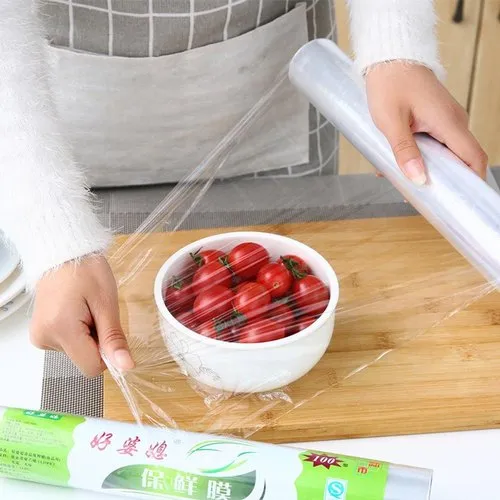
By the final week, my kitchen felt different. I was throwing away almost nothing. My trash can filled up slower, and my grocery bills dropped noticeably.
I started doing the math: if I wasted just two small meals a week before — say, $10 worth of food — that added up to over $500 a year in avoidable waste. Multiply that by millions of households, and you see how big this issue really is.
Using cling film properly wasn’t just saving me money — it was also saving me time. I wasn’t constantly cooking new meals from scratch or cleaning spoiled food containers. Instead, I was getting creative with what I had: turning leftover veggies into omelets, rice into fried rice, and last night’s pasta into a quick lunch.
What began as a small challenge ended up reshaping the rhythm of my kitchen.
The Science Behind Why It Works
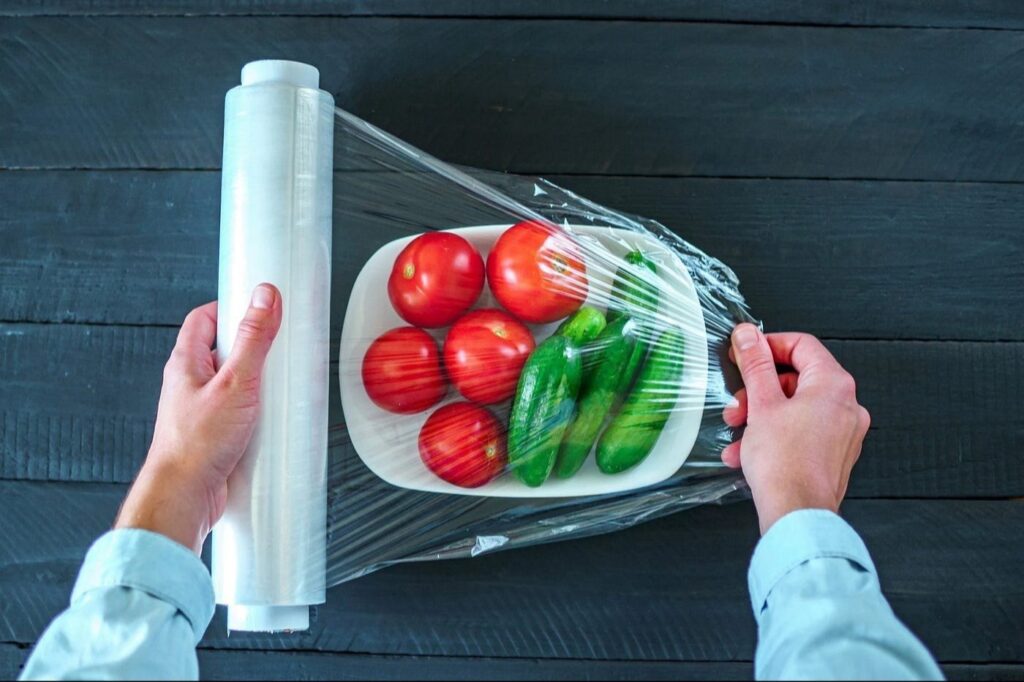
So, what makes cling film so effective at reducing food waste? It all comes down to air and moisture control.
When food is exposed to air, oxygen triggers oxidation, which causes discoloration, spoilage, and loss of nutrients. Moisture escapes, leading to dryness and texture changes. At the same time, airborne bacteria begin to multiply on the food’s surface.
Cling film acts as a barrier, preventing air and bacteria from getting in and moisture from getting out. When pressed directly onto food, it slows oxidation dramatically. That’s why cut fruit stays fresh, sauces don’t form a skin, and bread doesn’t go stale overnight.
Of course, cling film isn’t a magic fix — temperature control matters too. Storing leftovers promptly in the fridge or freezer is key. But when combined with proper sealing, it’s a powerful tool for preserving freshness longer.
Beyond Leftovers: Other Clever Uses
Once I got into the habit, I found dozens of other uses for cling film that helped me prevent waste and keep my kitchen organized:
- Freezer protection: Wrapping items before freezing prevents freezer burn and keeps food tasting fresh.
- Marinating meats and veggies: Covering bowls with cling film locks in flavor and prevents spills.
- Baking and proofing dough: It traps moisture and warmth, helping dough rise perfectly.
- Covering cut produce: Wrapping half-cut onions, cucumbers, or melons keeps them crisp.
- Preventing fridge odors: Sealing strong-smelling items like cheese or garlic keeps other foods from absorbing odors.
Each small use added up to one big impact — less waste, more freshness, and a cleaner, more efficient fridge.
The Environmental Side — and Finding Balance
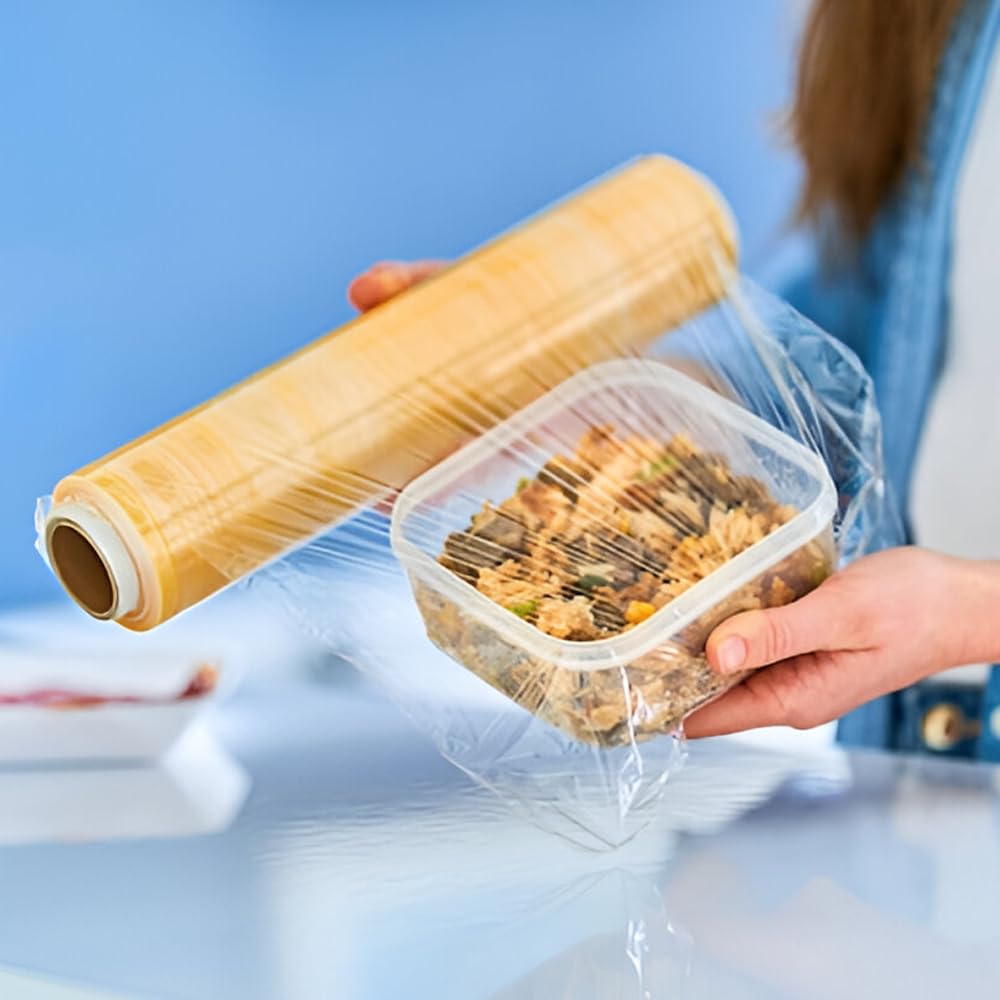
Of course, I couldn’t ignore the elephant in the room: cling film is plastic, and single-use plastics come with environmental downsides. So while it helped reduce food waste, I didn’t want to increase plastic waste in the process.
That’s when I learned about eco-friendly alternatives and best practices. I started reusing pieces of cling film when possible — especially for dry foods — and explored compostable wraps made from beeswax or plant-based films.
The key takeaway? It’s not about using plastic endlessly — it’s about using it wisely. Preventing food waste has a much larger environmental benefit than most people realize. Studies show that food waste contributes to nearly 8% of global greenhouse gas emissions because of the energy, water, and land used to produce uneaten food.
So if a small sheet of cling film helps you preserve food and reduce waste, it’s still a net win — especially when balanced with responsible use and recycling.
The Emotional Impact of Wasting Less
Something unexpected happened during this experiment: I started feeling more connected to my food.
Before, it was easy to take ingredients for granted — toss what went bad and buy more. But when I began storing things carefully and seeing them last longer, I developed a new appreciation for what I had.
Cooking leftovers became an act of creativity instead of inconvenience. I felt proud every time I opened my fridge and saw minimal waste. It was like my kitchen had transformed from a place of constant consumption to one of thoughtful use.
Reducing waste also brought a quiet satisfaction — the kind that comes from knowing you’re respecting your food, your money, and the planet.
Practical Tips for Storing Food with Cling Film
If you want to start saving more food using cling film (or eco alternatives), here are some tips I learned:
- Press it close to the food. Don’t just cover the bowl — press the film directly onto the surface to block air.
- Cool food before sealing. Wrapping hot food traps steam, which can cause spoilage.
- Label your leftovers. Write the date on the wrap so you know when it was made.
- Use it smartly. Pair cling film with airtight containers for double protection.
- Freeze in portions. Wrap food in individual servings for easy reheating and less waste.
- Reuse when possible. For dry or clean items, you can often reuse a piece of film once or twice.
- Try alternatives. Beeswax wraps, silicone lids, or glass containers also work well for eco-minded storage.
Final Thoughts
After a month of properly sealing my leftovers with cling film, my kitchen habits — and my mindset — changed for good. I was wasting less, spending less, and enjoying my food more.
What surprised me most wasn’t just how effective it was, but how empowering it felt. Stopping food waste isn’t about perfection — it’s about small, consistent actions that add up. And sometimes, that starts with something as simple as pulling a sheet of cling film over a bowl.
In the end, this little experiment taught me a big lesson: food deserves care — even after it’s cooked. When we take a few extra seconds to store it properly, we’re not just saving leftovers; we’re saving resources, money, and a bit of the planet too.