I’ve always loved having fresh flowers in my home — a vase of tulips on the dining table, roses by the window, or wildflowers on my desk instantly brighten my mood. But there was one thing that always bothered me: they never seemed to last long. Within a few days, the petals drooped, the water turned murky, and my beautiful bouquet started to look sad and wilted.
So when I heard that adding a spoonful of sugar to the vase water could make flowers stay fresh longer, I was intrigued. It sounded like one of those old-fashioned tricks your grandmother might mention — simple, almost too simple to be true. But I decided to give it a try.
To my surprise, it worked. My flowers stayed vibrant, upright, and full of life for nearly twice as long as they usually did. The results were so noticeable that I had to find out why. What is it about sugar that helps cut flowers thrive after being separated from their roots?
After doing a little experimenting — and some science-based digging — I discovered exactly how this trick works and why it’s one of the easiest ways to extend the life of your bouquets.
The Problem: Why Flowers Wilt So Quickly
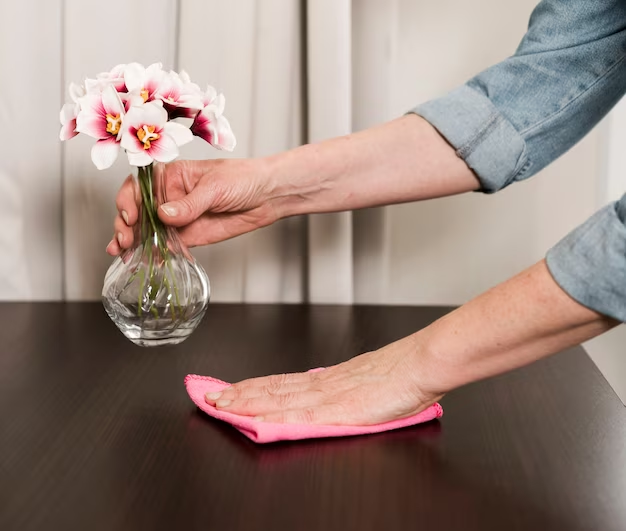
Cut flowers are beautiful, but from the moment they’re snipped, their natural support system is gone. When flowers grow in soil, their roots deliver water and nutrients up through the stems. Once cut, the flower loses that source of nourishment and relies entirely on whatever is available in the vase water.
Over time, several things start to happen:
- The stem ends clog up with air bubbles or bacteria, blocking water flow.
- The flower runs out of stored energy (carbohydrates) it needs to stay alive.
- The water becomes contaminated with microbes that speed up decay.
That’s why most bouquets wilt so quickly — they’re slowly starving and suffocating, unable to get what they need to keep their cells hydrated and their petals perky.
Why Sugar Helps Flowers Last Longer
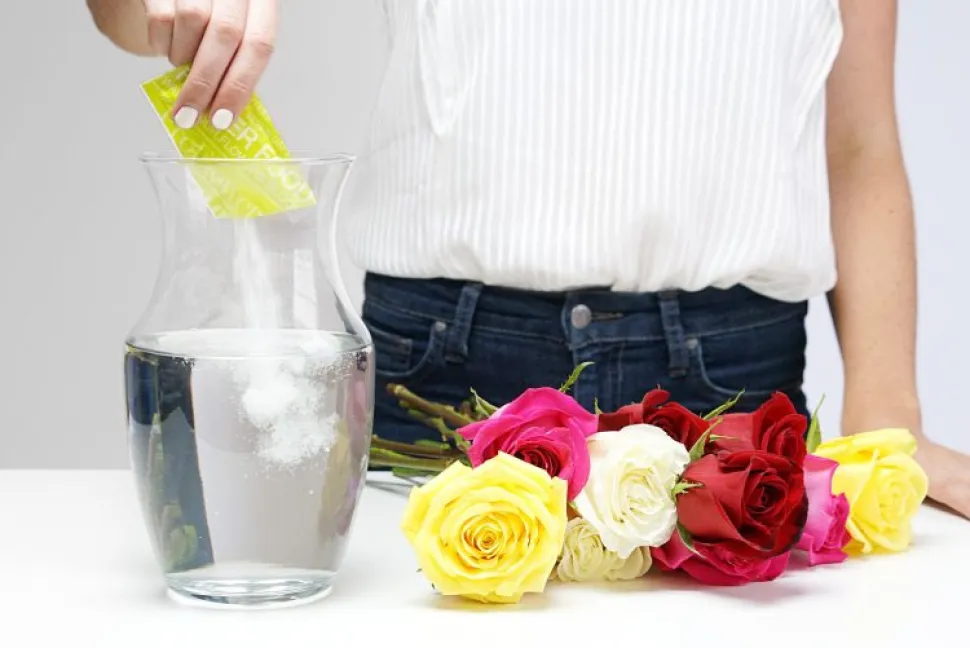
The main reason sugar works is surprisingly straightforward: it feeds the flowers.
When a flower is still attached to its plant, it gets glucose (a simple sugar) from photosynthesis — the process by which plants convert sunlight into energy. But once the flower is cut, that sugar supply is cut off too.
By adding sugar to the water, you’re essentially replacing what the flower would naturally get from its plant. It provides a source of energy that helps the flower continue vital processes like absorbing water, maintaining structure, and keeping its color vibrant.
In other words, sugar acts like an energy drink for your bouquet.
The Science Behind It
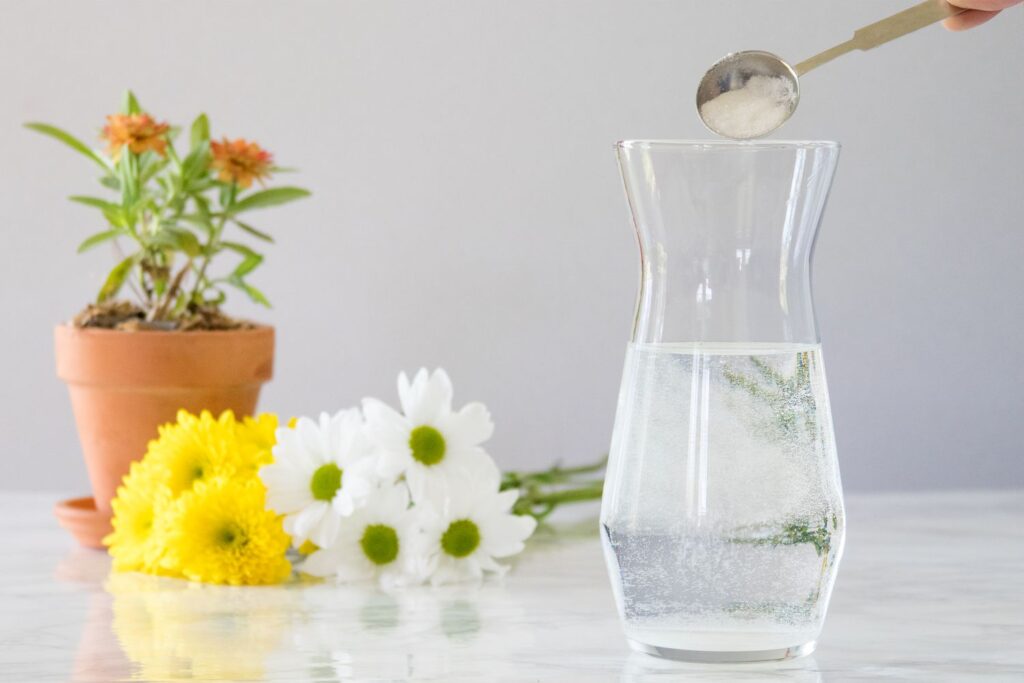
Several studies — including those from horticultural research centers and universities — have confirmed what florists have known for decades: adding a carbohydrate source to vase water helps prolong freshness.
Here’s what happens:
- Sugar molecules are absorbed through the stem, providing fuel for the flower’s metabolism.
- This energy helps keep cells turgid (firm), which prevents wilting.
- It also supports the continued opening of buds and slows down the aging process of petals.
However, sugar alone isn’t enough. It comes with one downside — it can also feed bacteria in the water. That’s why florists often combine sugar with acid (like lemon juice or vinegar) and a small amount of bleach or another antibacterial agent. This mix nourishes the flower while keeping the water clean.
How I Tested the Trick
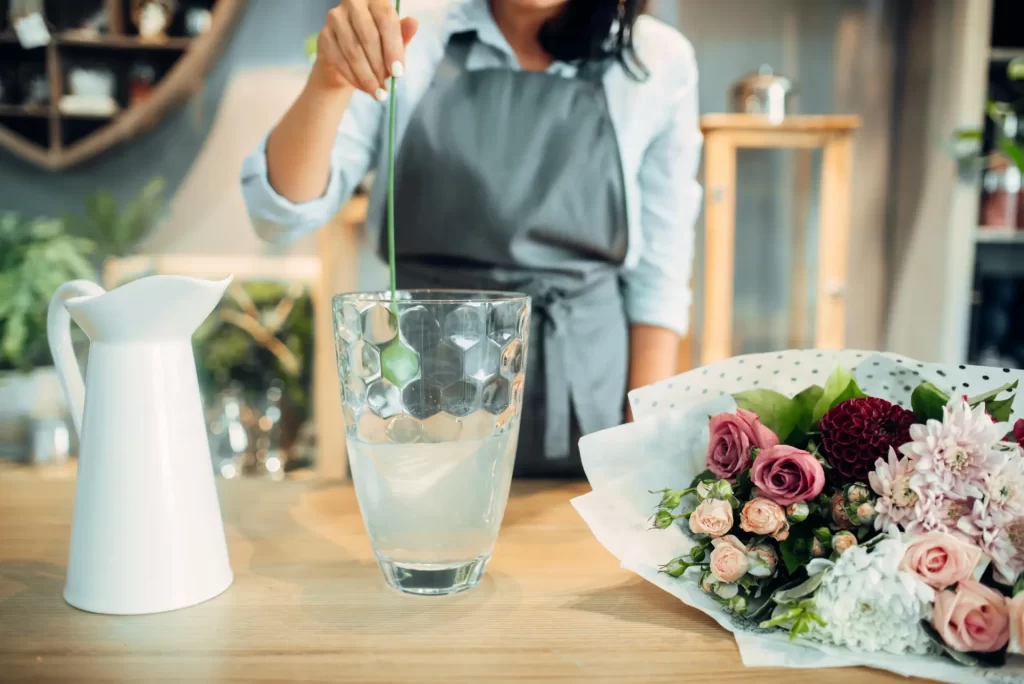
To see how much difference sugar actually made, I ran a small experiment at home.
I bought two identical bouquets of mixed flowers — roses, daisies, and carnations — and placed them in two separate vases:
- Vase A: Plain tap water (changed every two days)
- Vase B: Water mixed with 2 teaspoons of sugar per quart
Both vases were kept in the same spot away from direct sunlight.
By day three, the difference was clear: the flowers in the sugar water were noticeably perkier, while the plain-water bouquet had already started drooping. By day five, the sugar-fed flowers still looked fresh and full, while the others had lost most of their shape and color.
When I finally replaced both bouquets, Vase B’s flowers had lasted a full week longer. That simple spoonful of sugar really made a difference.
How to Make the Perfect Flower Food at Home
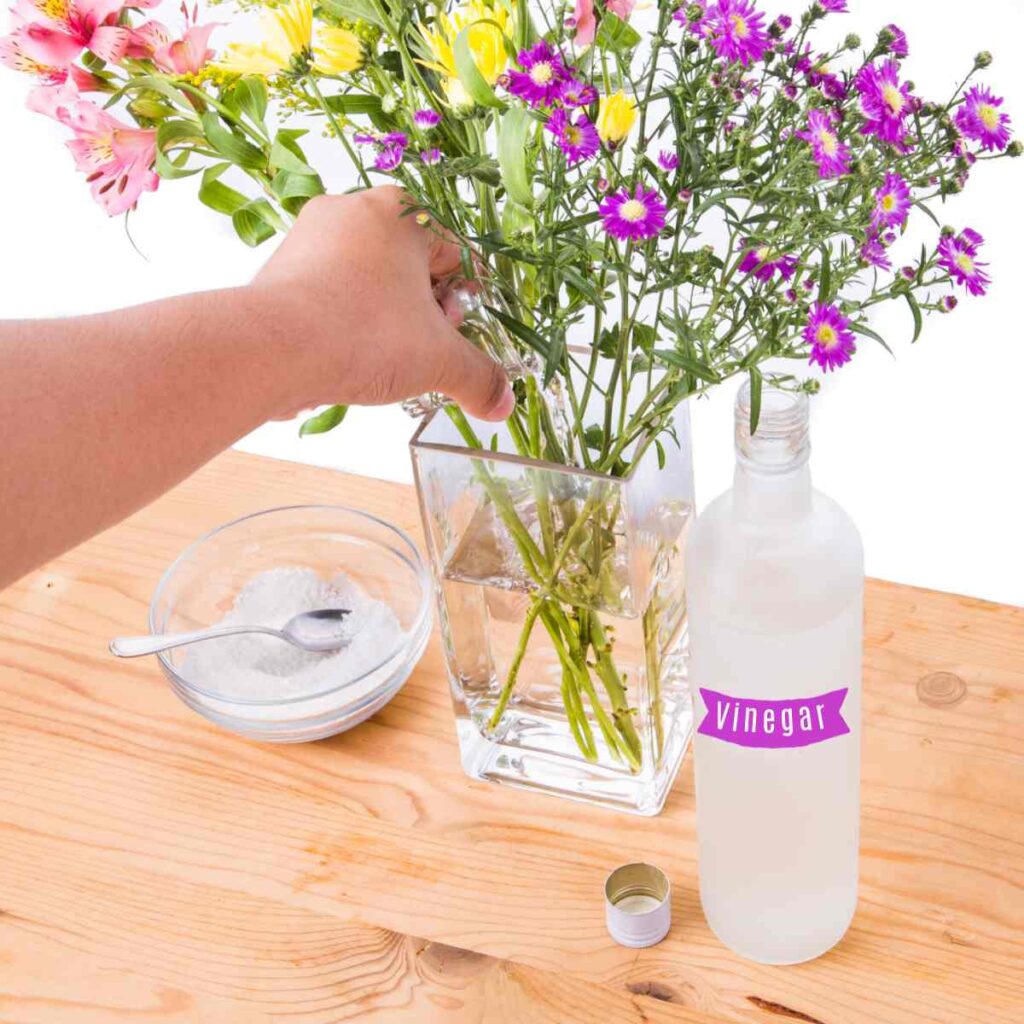
After my experiment, I looked into how professional florists keep their flowers looking picture-perfect. Turns out, many use a solution similar to my sugar trick — just with a few extra ingredients.
Here’s the ideal homemade flower food recipe:
You’ll need:
- 1 quart (4 cups) warm water
- 2 teaspoons sugar (for energy)
- 1 teaspoon white vinegar or lemon juice (to balance pH and discourage bacteria)
- 1/2 teaspoon household bleach (optional, to kill bacteria)
How to use:
- Stir all ingredients until the sugar dissolves completely.
- Pour the solution into a clean vase.
- Trim flower stems at a 45° angle before placing them in the water (this helps them absorb the solution more efficiently).
- Change the water every 2–3 days, and re-cut the stems slightly each time.
This simple mix provides everything flowers need — sugar for food, acid for better water uptake, and a little antibacterial help to keep the stems clear.
Tips for Keeping Cut Flowers Fresh Even Longer
While sugar is a game-changer, a few other habits can make a big difference too. Here are the tips I now swear by:
- Trim the stems regularly.
Always cut about an inch off the bottom of the stems before placing flowers in water. Use a sharp knife or scissors and cut at a 45° angle. This increases the surface area for water absorption. - Remove lower leaves.
Leaves that sit in water quickly rot and feed bacteria. Strip any that would be below the waterline. - Keep the vase clean.
Wash it thoroughly with soap and warm water before refilling. Bacteria can cling to the sides and shorten your bouquet’s life. - Avoid direct sunlight and heat.
Flowers last longer in cooler areas away from windows, radiators, or appliances. - Change the water every 2–3 days.
Even with sugar added, fresh water keeps the flowers hydrated and healthy. - Add a penny or a drop of bleach.
A copper penny or a few drops of bleach can act as a mild antibacterial agent, keeping the water clear longer.
With these simple habits, even inexpensive grocery store bouquets can stay gorgeous for 10–14 days.
Why Florists Use Sugar — and So Should You
Professional florists have known about the benefits of sugar water for years. That’s why those little packets you get with store-bought bouquets contain a mix of sugar, acidifiers, and antibacterial agents.
By recreating that formula at home, you can give your flowers the same treatment for a fraction of the cost. The science behind it isn’t just tradition — it’s biology. You’re providing the basic elements a flower needs to survive: energy, clean water, and a balanced environment.
And the proof is visible every time I glance at a vase on my counter — stems standing tall, petals open wide, and colors as vibrant as the day I brought them home.
The Environmental and Emotional Upside
Aside from keeping my bouquets fresh, this trick changed how I think about caring for plants in general. It reminded me that even after being cut, flowers are still living things, responding to nutrients and care just like a plant in soil.
It also made me more mindful of waste. Instead of tossing wilted flowers after only a few days, I now get more enjoyment and value from every bouquet. And since I use simple, natural ingredients instead of commercial preservatives, it feels like a small but meaningful eco-friendly step.
Plus, there’s something deeply satisfying about knowing that a simple household ingredient — sugar — can help prolong beauty and life in such a tangible way.
A Little Sugar, A Lot of Joy
It’s funny how a spoonful of sugar — something we often associate with desserts — can also be the secret to keeping nature’s beauty alive longer.
Now, every time I arrange flowers, I mix a small jar of sugar solution alongside my vase. It takes less than a minute, but it transforms how long I get to enjoy my blooms.
And honestly, there’s no better feeling than waking up each morning to see a bouquet still standing tall, petals bright and open, even a week later.
That’s when I smile and think: sometimes, the simplest tricks are the most powerful.
So if you love fresh flowers but hate watching them fade too soon, give this little experiment a try. Add a spoonful of sugar to your flower water, and you’ll see for yourself — it’s not just an old wives’ tale. It’s science, it’s nature, and it’s a sweet secret for keeping beauty blooming just a little longer.