There are few things more frustrating in the kitchen than reaching for your salt shaker — only to find that the salt inside has turned into a hard, stubborn clump. No matter how much you shake, tap, or poke at it, the salt just won’t flow freely.
For years, I assumed this was just something I had to live with — a side effect of humidity and time. I’d try to fix it by drying the shaker in the sun or banging it on the counter, but nothing worked for long. Then, one day, I came across a simple piece of advice: put a few grains of uncooked rice in your salt shaker.
It sounded too easy to be true, but I figured it couldn’t hurt to try. I grabbed a handful of plain white rice from my pantry, dropped a few grains into my salt shaker, gave it a shake — and that was it. A week later, I was amazed. The salt poured smoothly, not a single clump in sight, even during the dampest days.
Curious about why such a tiny trick worked so well, I decided to dig deeper into the science behind it. What I learned made me appreciate this little kitchen hack even more.
The Problem: Why Salt Clumps in the First Place
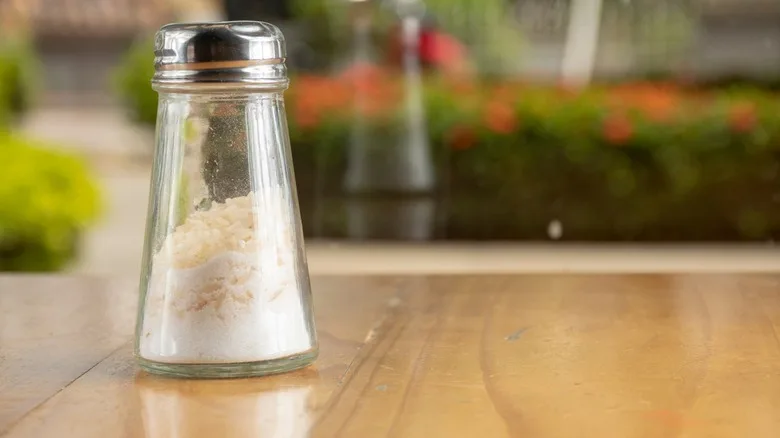
Salt might seem like a simple ingredient, but it’s surprisingly reactive to its environment — especially to moisture.
When exposed to humidity, salt absorbs water from the air. Those tiny droplets of moisture cause the grains to dissolve slightly and then stick together when they dry. Over time, this process creates hardened lumps or even solid blocks of salt.
The problem is worse if you live in a humid climate or keep your salt near the stove, where steam from cooking can sneak into the shaker. Once the salt clumps, it becomes nearly impossible to shake out smoothly.
Even if you break the clumps apart, they’ll eventually reform — unless you remove the root cause: excess moisture.
Why Rice Works: The Science Behind the Trick
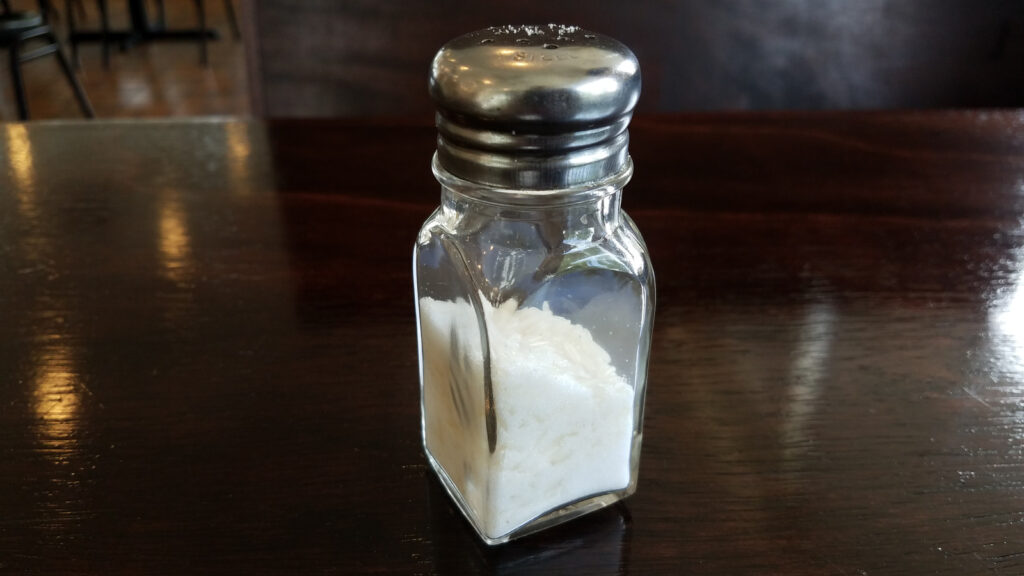
The secret to this hack lies in one of rice’s most useful natural qualities — it’s an excellent moisture absorber.
Uncooked rice grains act like tiny sponges. They’re porous, which means they can soak up water molecules from the air before the salt has a chance to do so. Essentially, the rice acts as a dehumidifier inside your salt shaker.
Here’s how it works in simple terms:
- Salt is hygroscopic — it attracts and holds water from the air.
- Rice is also hygroscopic but much larger and more absorbent.
- When both are in the same container, rice absorbs the moisture first, keeping the salt dry and free-flowing.
It’s the same principle used when people place rice in a container with wet electronics to help draw out moisture. Rice doesn’t stop humidity, but it captures enough of it to protect whatever’s nearby — in this case, your salt.
How to Do It Properly
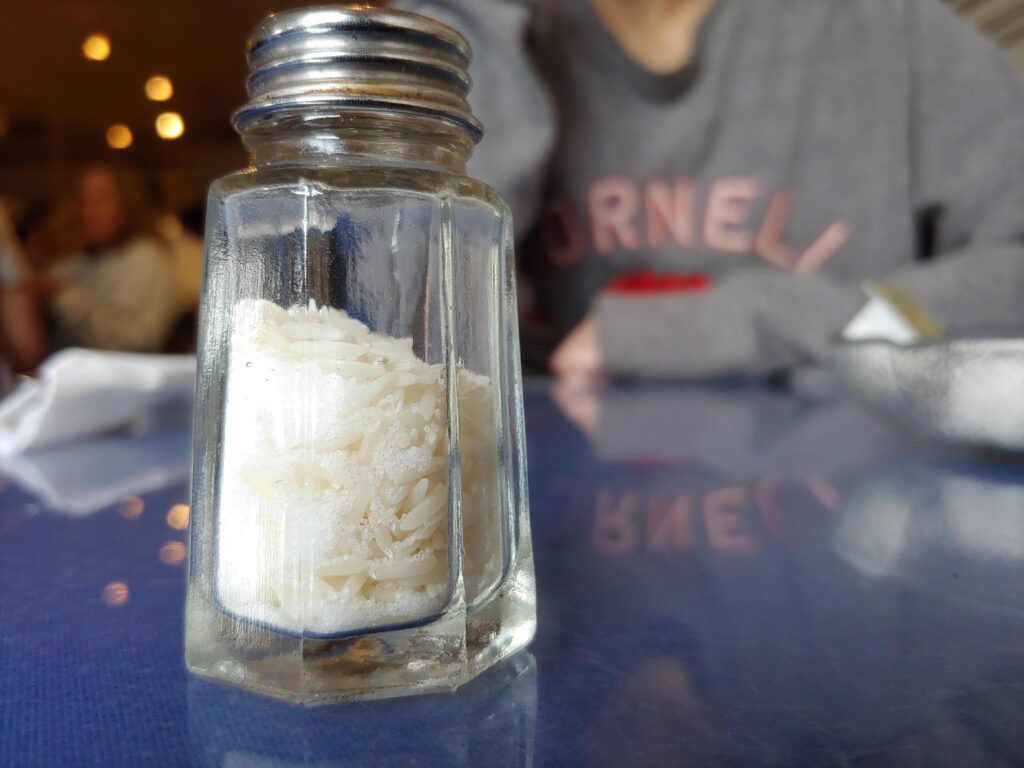
You only need a small amount of rice to make this trick work. Here’s exactly how I do it:
- Choose the right rice.
Any kind of uncooked rice will work, but I find that white rice (especially long-grain) works best. It’s dry, neutral, and doesn’t affect the salt’s taste or appearance. Avoid brown rice since its natural oils could spoil over time. - Add just a pinch.
You don’t need much — just a few grains (around ¼ teaspoon for a standard shaker). Too much rice might block the shaker holes or make it harder to pour evenly. - Mix gently.
Give the shaker a light swirl so the rice mixes with the salt. The grains will naturally settle toward the bottom or stay dispersed throughout the salt. - Store properly.
Keep the shaker tightly sealed and avoid storing it near steam sources, like the stove or sink. The rice will do its job quietly in the background.
Within a day or two, you’ll notice your salt stays dry and clump-free, even when the air feels damp or sticky.
What Kind of Rice Works Best?
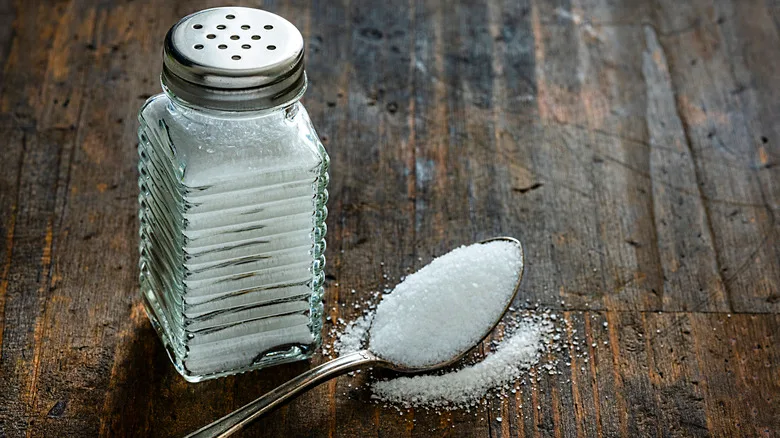
While any uncooked rice will absorb moisture, some types are slightly more effective than others depending on your needs.
- Long-grain white rice: The best all-around choice. It’s dry, smooth, and fits easily through most shaker holes.
- Basmati or jasmine rice: Works well too, though it’s slightly more aromatic. Use if you don’t mind a faint scent.
- Short-grain rice: More absorbent but tends to get stuck in shakers with small holes.
- Instant rice: Not ideal — it’s partially cooked and less effective at absorbing moisture.
A few people even use dry beans or pasta pieces in larger salt containers, but for regular table shakers, rice grains are the perfect size and texture.
Does the Rice Ever Need Replacing?
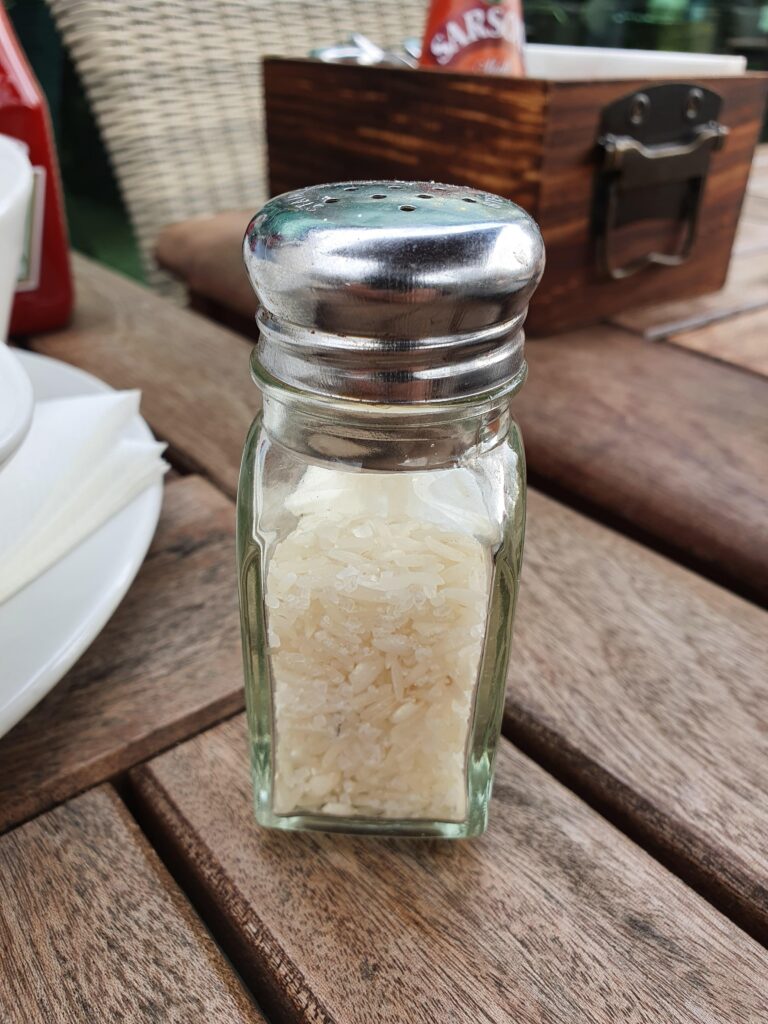
Yes, but not often. Over time, the rice grains will absorb moisture and eventually reach their limit. You’ll know it’s time to replace them if the salt starts clumping again or if the rice looks soft or discolored.
Generally, replacing the rice every one to two months is enough. Just empty the shaker, add fresh salt and a few new grains of rice, and you’re good to go.
Other Everyday Uses for Rice to Absorb Moisture
After seeing how well it worked in my salt shaker, I started experimenting with rice in other places around my kitchen — and even beyond. It turns out rice is one of the best natural moisture control tools around.
Here are some clever ways to use it:
- Keep spice jars dry.
If you live in a humid area, adding a couple of grains of rice to spice containers like paprika or garlic powder keeps them from clumping too. - Save a wet phone or camera.
Everyone’s heard of this one — burying a damp phone in uncooked rice can sometimes draw out enough moisture to save it (though silica gel is even better). - Prevent rust in toolboxes.
A small pouch of rice can absorb humidity and help prevent rust on metal tools. - Deodorize drawers and closets.
Mix rice with a few drops of essential oil, seal it in a breathable pouch, and it becomes a simple air freshener and moisture absorber. - Keep brown sugar soft.
A small muslin bag of rice in your sugar jar keeps it from hardening over time.
It’s amazing how something as humble as rice can serve so many practical purposes beyond cooking.
Other Ways to Keep Salt Free-Flowing
While rice is the simplest and most effective method I’ve found, there are a few other tricks worth mentioning — especially if you want to double up your moisture defense.
- Add a few grains of dry pasta.
Larger pieces like spaghetti work as mini stirrers that break up salt clumps naturally when you shake. - Use a ceramic or terra-cotta disc.
These discs (often sold as brown sugar savers) absorb moisture and can be tucked into large salt containers. - Keep salt in airtight containers.
Especially for sea salt or Himalayan pink salt, which are more prone to moisture absorption, airtight jars work wonders.
Still, I’ve found that nothing beats the simplicity and reliability of rice. It’s cheap, natural, and always available.
A Little Kitchen Science: Why Humidity Affects Salt So Much
You might wonder why salt clumps more easily than, say, sugar or flour. The answer lies in its chemistry.
Table salt (sodium chloride) attracts water molecules because of its ionic structure — the positively charged sodium and negatively charged chloride ions attract the polar water molecules.
When these water molecules stick to the surface of the salt crystals, the outer layer starts to dissolve slightly. As the moisture evaporates again, it leaves behind re-formed crystals that fuse together, creating those rock-hard clumps.
By adding rice, you’re simply introducing a competing substance that absorbs water first, keeping the salt crystals dry and separate. It’s basic chemistry applied to everyday life.
A Small Hack with a Big Impact
What I love about this discovery is how such a tiny, almost invisible change can make everyday cooking smoother. No more shaking salt shakers like maracas, no more stabbing at clumps with a fork, and no more guessing how much salt is actually coming out.
It’s one of those practical, old-fashioned tricks that probably started generations ago — before air conditioning and dehumidifiers existed — yet it still works perfectly today.
In fact, once I started doing it, I began to notice that many restaurants and diners already had rice in their shakers too. The little white grains inside aren’t dirt or filler — they’re there to keep the salt fresh and flowing.
Final Thoughts: Sometimes, the Simplest Solutions Are the Smartest
When I think about all the fancy gadgets, anti-clumping agents, and pre-mixed salts on the market, it’s almost funny that a few grains of plain rice can solve the same problem instantly — and naturally.
Now, every time I refill my salt shaker, I drop in a pinch of uncooked rice. It’s become one of those automatic habits that makes a subtle but significant difference in my daily routine.
My salt stays perfectly loose and pourable, even through the muggiest summer days. And the best part? I never have to worry about running out of some special ingredient — the solution is already sitting in my pantry.
So if your salt has been clumping, don’t waste time scrubbing, drying, or buying something new. Just try this old, reliable trick: add a few grains of rice.