Every coin collector dreams of that one extraordinary discovery — the rare, unexpected treasure hiding in a box of old change, a forgotten jar, or a dusty heirloom inherited from a relative. For the Lincoln cent series, one coin stands out as a true jackpot: the 1922 No D Lincoln Cent. Though it looks almost identical to a regular penny, this rare variety can be worth hundreds, thousands, or even tens of thousands of dollars depending on its condition. It is the sort of coin that has turned casual collectors into overnight winners and transformed everyday loose change into surprising fortune.
But what makes this penny so valuable? Why did it come into existence, and how can you tell if you have one? This article uncovers the mystery behind the 1922 No D Lincoln cent, explains why collectors pay a premium for it, and offers practical guidance to determine whether you might be holding one of the rarest cents in American history.
The Historical Accident That Created a Rarity
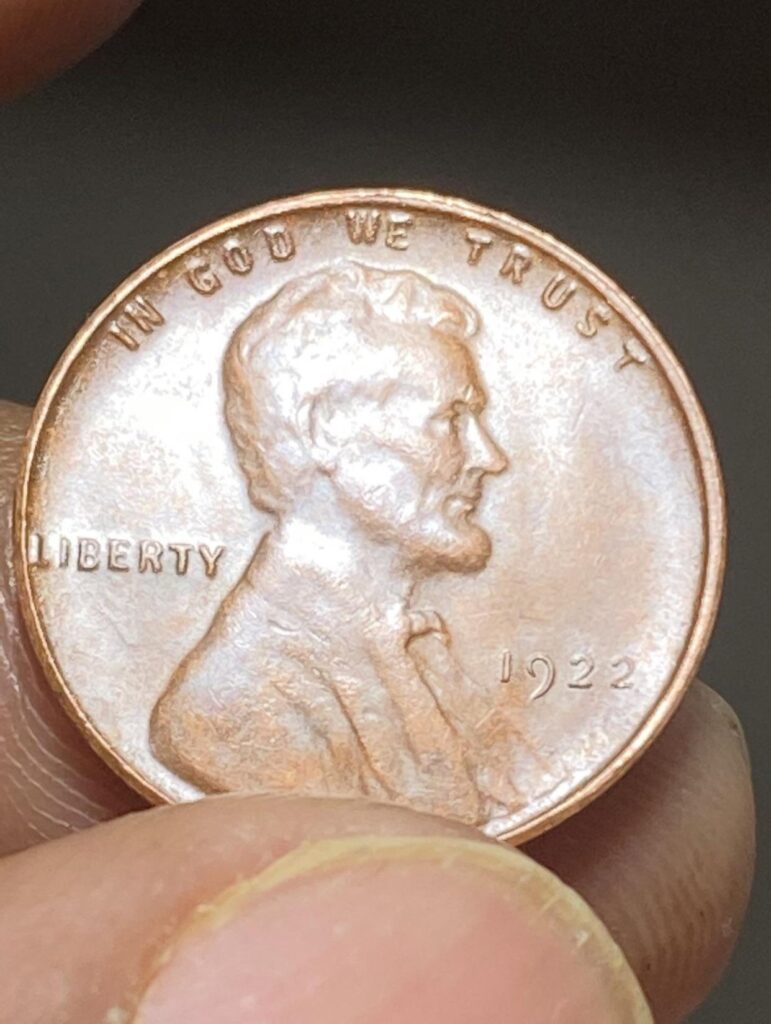
To understand why the 1922 No D cent exists, you have to go back more than a century. In 1922, the Denver Mint was the only U.S. Mint facility producing Lincoln cents. No pennies were minted in Philadelphia that year, and none were produced in San Francisco. That meant every Lincoln cent dated 1922 was required to have a “D” mintmark, indicating it was struck in Denver.
However, the mint was under significant production pressure. Coin demand was high, and the dies used for striking pennies were wearing faster than usual. As part of emergency maintenance, workers repeatedly polished and refinished dies to keep them functioning longer.
This is where the accidental rarity began.
During this process, some dies had their D mintmark significantly weakened, and in a few cases, it was completely removed. When those dies were put back into service, they produced coins that showed no D at all. Since Philadelphia had not struck any cents in 1922, a coin from that year with no mintmark was not supposed to exist.
This accident created one of the most desirable and famous mint errors in American coinage:
the 1922 No D Lincoln Cent.
Why Collectors Value This Coin So Highly
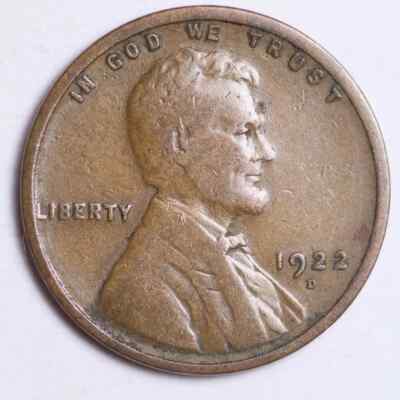
There are many error coins and varieties, but only a few achieve legendary status. The 1922 No D cent is one of them because it checks all the boxes collectors love:
1. It’s a True Mint Error, Not Damage
Some rare coins owe their value to oddities created by accident — missing letters, double strikes, off-centering, or die cracks. But only a handful were created by a perfect storm of historical circumstances. The No D cent is not the result of wear, damage, or alteration. It is a legitimate mint die variety, making it exceptionally collectible.
2. It’s a Condition-Rarity Treasure
Most 1922 cents circulated heavily. The U.S. was still recovering from World War I, and the economic conditions of the time ensured very few people had the luxury of saving coins. As a result, high-grade examples are extremely scarce. Even worn, low-grade No D cents can sell for hundreds of dollars.
3. It Has a Legendary Story
Collectors love a good backstory, especially one involving a mistake that produced something unique and valuable. The 1922 No D cent’s origin — accidental erasure of the mintmark due to die polishing — makes it an iconic lesson in minting history.
4. It’s One of the Key Dates in the Lincoln Cent Series
Anyone collecting Lincoln cents will eventually reach the year 1922 and face the question:
Should I hunt for the No D variety?
Because the standard 1922-D cent is common, but the No D is tremendously rare, the coin has become a “must-have” piece for advanced collectors.
How Much Is a 1922 No D Lincoln Cent Worth?
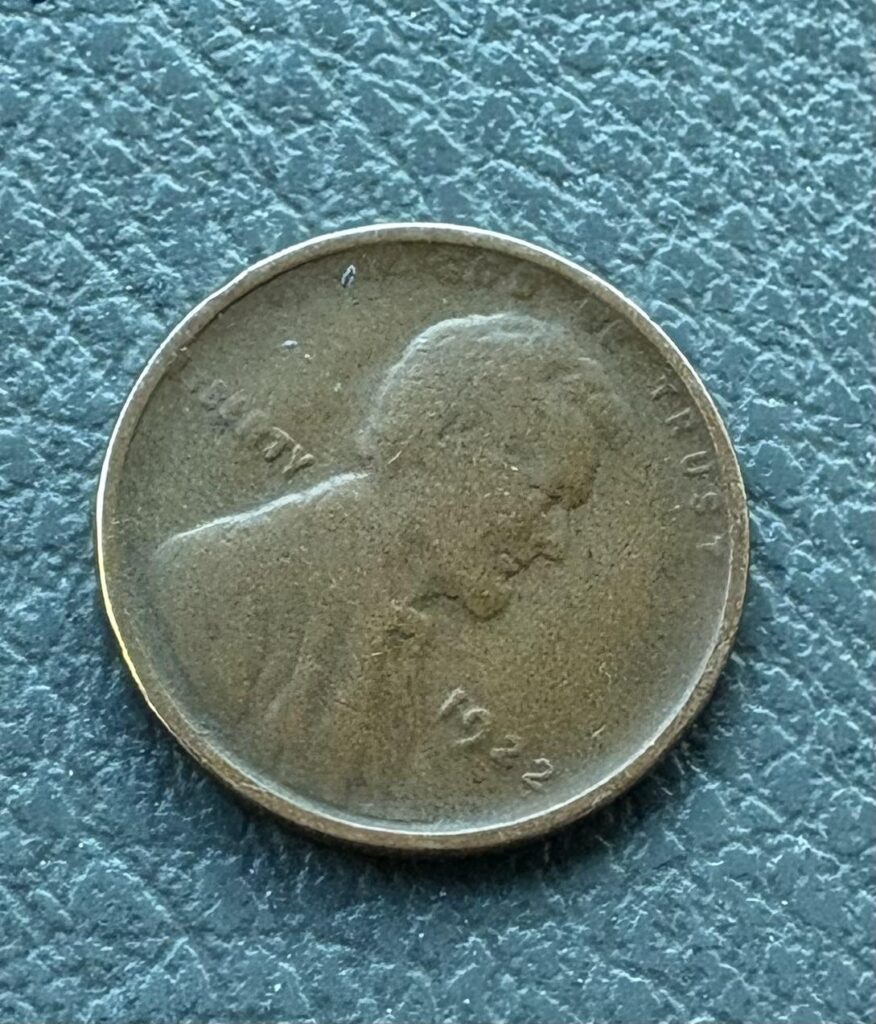
The value of this penny varies widely depending on condition, variety, and certification. But here is a general guideline:
- Heavily worn examples (Good–Very Good): $300–$800
- Mid-grade circulation (Fine–Very Fine): $1,000–$4,000
- High-grade examples (XF–AU): $7,000–$20,000
- Certified uncirculated examples: $30,000–$75,000+
- Top-condition specimens: Can exceed $100,000
Some of the highest auction records have surprised even seasoned professionals. This is why collectors dream about finding one — the right discovery could truly make someone rich overnight.
How to Identify a Real 1922 No D Lincoln Cent
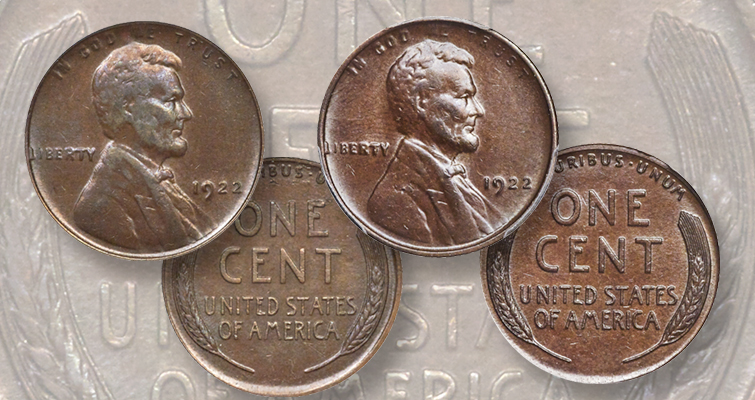
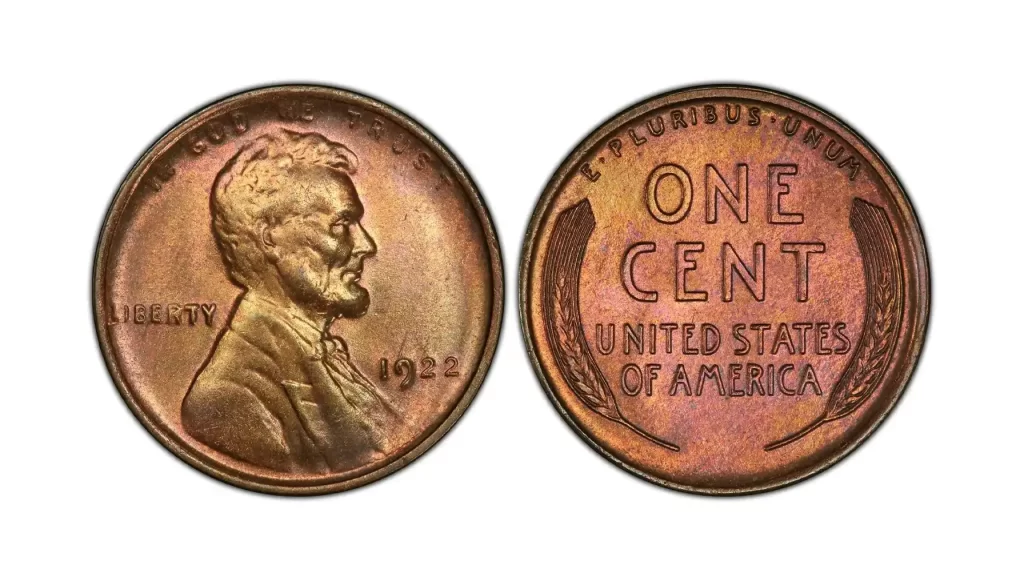
Finding a penny without a mintmark does not automatically mean you struck gold. Most Lincoln cents produced at the Philadelphia Mint lack a mintmark, but remember: Philadelphia made no pennies in 1922. If the date says 1922 and there is no “D,” you may have something valuable — but authentication requires careful examination.
Here are the main features to look for.
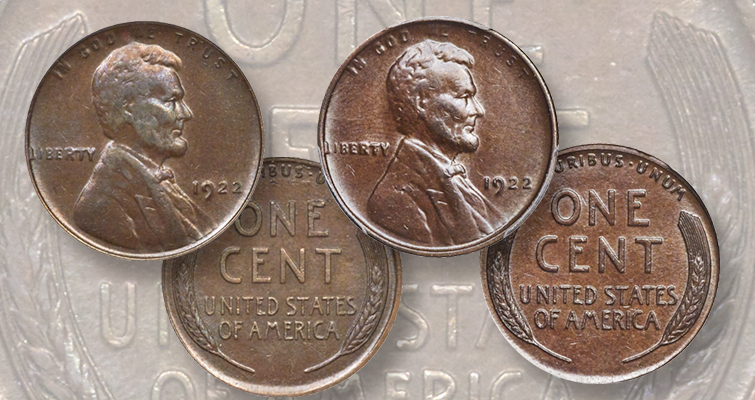
1. The Obverse Details Should Be Weak
Because the mintmark was removed by aggressive die polishing, other parts of the die were also weakened. Genuine 1922 No D cents typically show:
- Soft or blurry details in Lincoln’s hair
- A weaker strike around “IN GOD WE TRUST”
- A flattened appearance in the portrait
These characteristics help distinguish real No D varieties from coins where the D has simply worn off.
2. The Reverse Should Be Sharply Struck
While the front shows weakness, the reverse is usually well-struck. The contrast between a weak obverse and strong reverse is a signature indicator of authenticity.
3. Only Two Varieties Are Accepted
Experts classify 1922 No D cents into a few recognized varieties, but only certain ones carry substantial value. The most famous and valuable is the “Strong Reverse” variety, also known as Die Pair 2. This version shows a bold, crisp wheat-ear design on the reverse.
4. Authentication Is Essential
If you believe you have found one, professional certification is necessary. Neutral third-party grading services like PCGS or NGC will confirm authenticity and grade the coin — both crucial steps that affect value. Raw, ungraded examples often sell for less because fakes exist in the marketplace.
Where People Have Found 1922 No D Cents
You might assume that such a rare coin would only be found in coin shops or auctions, but many stories tell otherwise. Over the decades, people have discovered 1922 No D cents:
- In inherited coin jars or boxes
- Inside old tobacco tins
- Mixed in wheat penny rolls purchased at estate sales
- In circulation as late as the 1960s
- In penny jars stored in basements or attics for generations
These stories keep the excitement alive. Even though the chance is small, the possibility of finding a life-changing penny remains.
Why This Penny Continues to Rise in Value
Even a century after its creation, demand for the 1922 No D cent remains strong. Its value continues to grow for several reasons:
1. Increasing Popularity of Lincoln Cent Collecting
As more collectors assemble full sets of Lincoln cents, the scarcity of the No D variety drives higher competition.
2. Limited Supply
No new examples can ever be produced. The existing supply is all the world will ever have.
3. Growing Appreciation for Error Coins
Modern collectors love mint varieties, mistakes, and anomalies — especially those with historical significance.
4. Auction Visibility
Each time a high-grade example sells for a major price, headlines spark renewed interest and curiosity.
Could You Have One Without Realizing It?
If you or your family ever collected coins, kept wheat pennies, or saved jars of change from the early 20th century, you could potentially own a 1922 No D cent without knowing it. The safest approach is to examine every 1922 penny carefully — or have a professional look at your collection.
Because the difference between a common 1922-D cent (worth only a few dollars) and a 1922 No D cent (worth thousands) may come down to one missing letter, the discovery is always worth the effort.
Final Thoughts
The 1922 No D Lincoln Cent represents everything collectors cherish: a rare mistake, a fascinating story, and the thrilling possibility of an unexpected fortune. It is the kind of coin that transforms a simple penny hunt into a treasure-seeking adventure. Even though only a limited number exist, new examples are still being found today — often by people who had no idea they were holding something valuable.
So next time you come across a jar of old pennies or a handful of wheat cents, take a closer look. If you’re lucky enough to spot that 1922 date without a D mintmark, you may have just discovered a coin that truly can make you rich overnight.